

Art & Culture · Miami
Reading time: 5 minIn a converted rice warehouse in Allapattah, one of the world’s great private collections has found a permanent home. During Miami Art Week, when the city runs at full tilt, the Rubell Museum offers the time, and the architecture, to really look.
Miami in early December is a city at its most alive. For one week each year, the art world descends en masse, collectors, curators, gallerists and the endlessly curious, and the fairs fill with an extraordinary breadth of work. It is exhilarating from first to last. Which is precisely why the Rubell Museum has become such an essential fixture of the week: it meets that intensity with an experience of equal richness, pitched at a different tempo.

Set in the industrial district of Allapattah, a short drive from the murals of Wynwood, the Rubell is among the most significant privately held collections of contemporary art anywhere in the world, shown in a building that treats the act of looking as something to be savoured rather than rushed. It rewards a slower kind of attention, and in doing so it tells you as much about how contemporary art should be experienced as about the work itself.
From rice warehouse to museum
The building is, in many ways, the first exhibit. When the collection outgrew its previous home — a former Drug Enforcement Administration warehouse in Wynwood — the Rubells turned to the New York architect Annabelle Selldorf, whose studio has quietly become the art world’s most trusted hand for spaces of this kind. Selldorf Architects took a disused rice-storage complex of six separate warehouse units and stitched them into a single, coherent campus of around 100,000 square feet, which opened in 2019 and roughly tripled the collection’s exhibition capacity at a stroke.
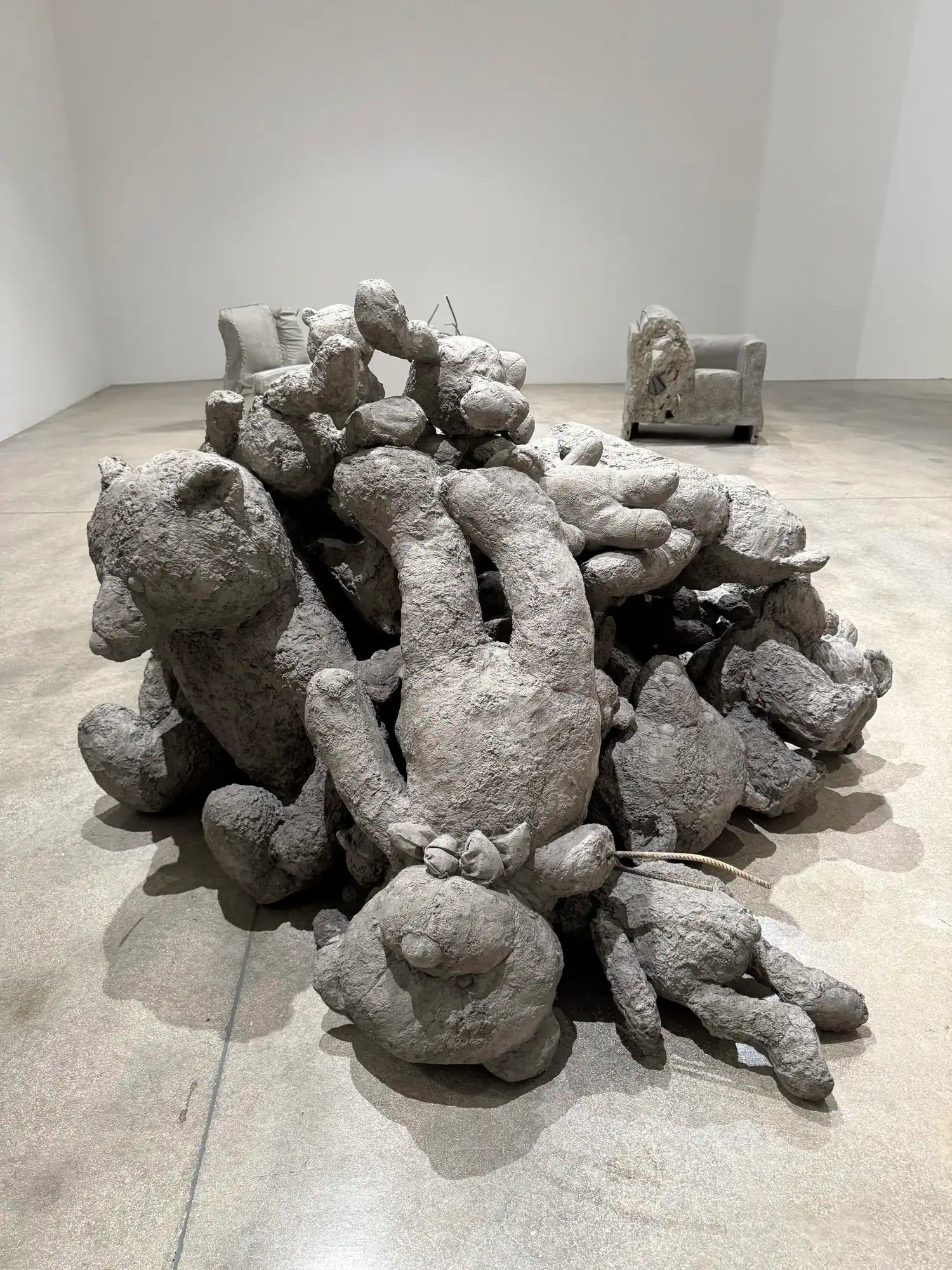
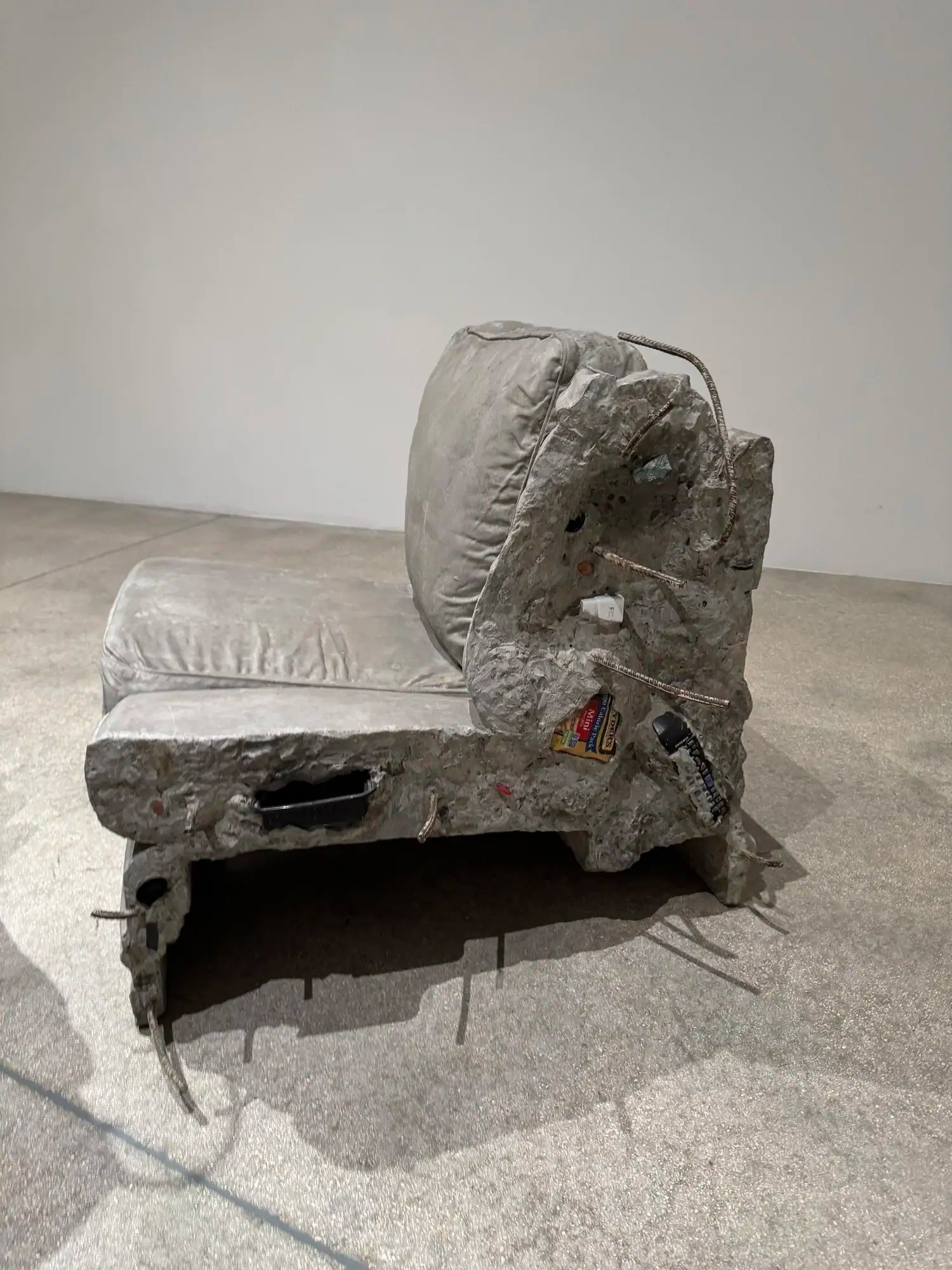
What is impressive is how lightly the intervention wears its ambition. The factory bones are left legible — the expansive ceilings, the raw concrete columns, the sense of generous industrial volume — and then tempered by the museum-grade discipline of white walls and refinished concrete floors. Across a single level unfold forty galleries, alongside a flexible performance space, a serious research library, a bookshop, an outdoor bar and LEKU, a Basque restaurant that has become a destination in its own right. At the heart of the plan, where the loading dock once stood, Selldorf carved out a leafy courtyard garden — a moment of pause folded into the middle of the building. The arrival of the museum has, almost single-handedly, helped establish Allapattah as one of Miami’s most dynamic cultural quarters.
A collection built on instinct
The institution’s authority rests on an unusually long and consistent record. Don and Mera Rubell began collecting in 1964, the year they married, buying work by artists long before the wider market caught up with them — and often when those artists had barely begun. That instinct for the pivotal early moment became the collection’s defining characteristic. Names now firmly in the canon entered the Rubell holdings when they were still emerging: Jean-Michel Basquiat and Keith Haring, Cindy Sherman and Jeff Koons, Kerry James Marshall, Mickalene Thomas, Rashid Johnson, Kara Walker and many more besides.
What distinguishes the Rubell is not scale but conviction — a sustained, decades-long willingness to back new voices, to keep looking, and to keep reassessing.
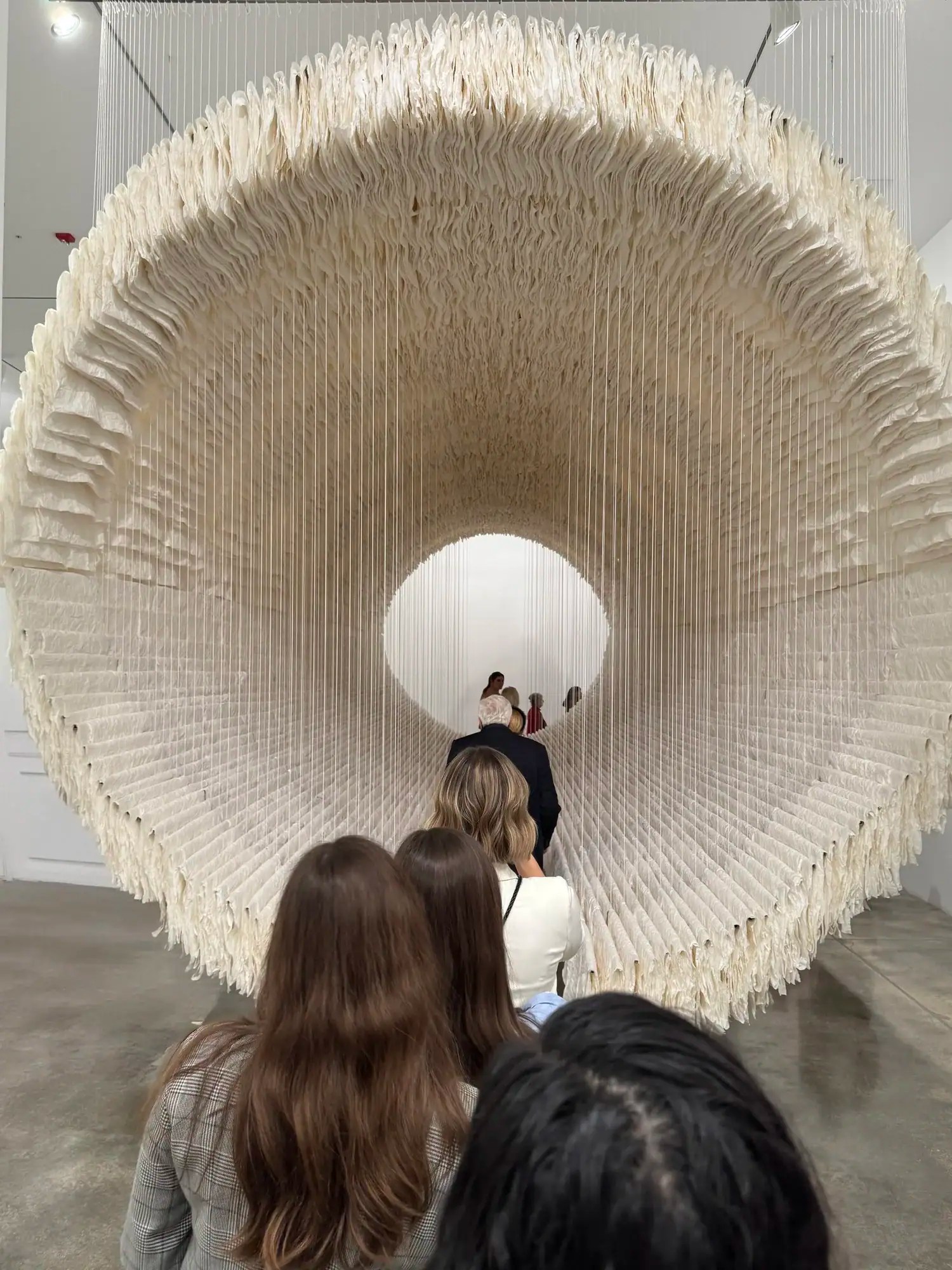
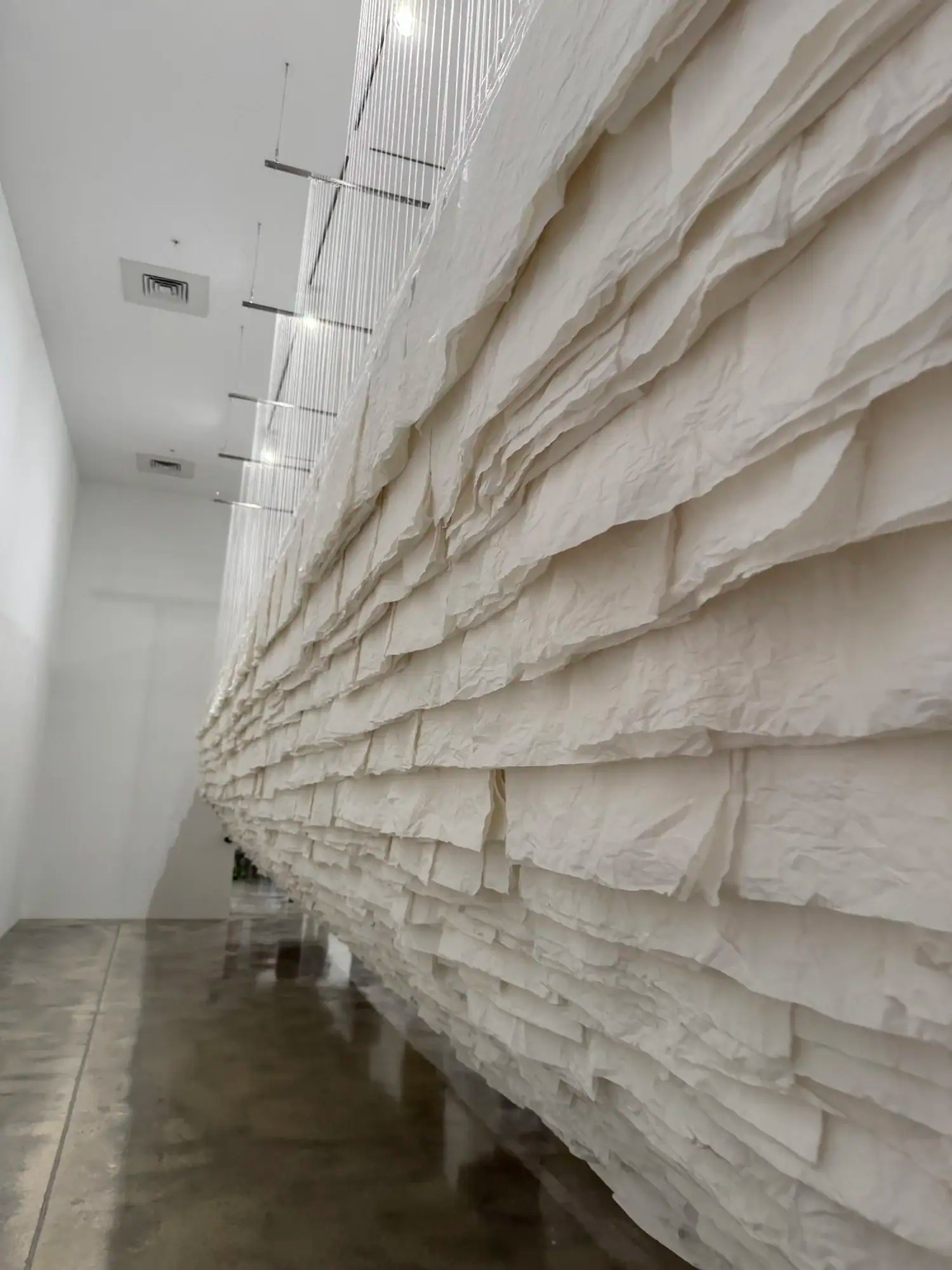
Today the collection numbers some 7,200 works by more than a thousand artists, which makes it one of the most comprehensive bodies of contemporary art in the United States. But numbers rather understate the point. What distinguishes the Rubell is not scale but conviction — a sustained, decades-long willingness to back new voices, to keep looking, and to keep reassessing. The museum still operates on the principle it was founded upon: to champion artistic innovation and to give a platform to the work that questions and redefines the culture around it.
A living conversation, continually renewed
Alongside its blue-chip names, the Rubell is rebuilt and rethought continually, with new acquisitions and rotating exhibitions that give returning visitors something fresh each season. That habit of reinvention is what keeps it vital, and it is at its most visible during Art Week, when the museum tends to unveil newly acquired work and thematically curated galleries built around the questions preoccupying artists now: identity and representation, politics, materiality, the shifting texture of contemporary life.
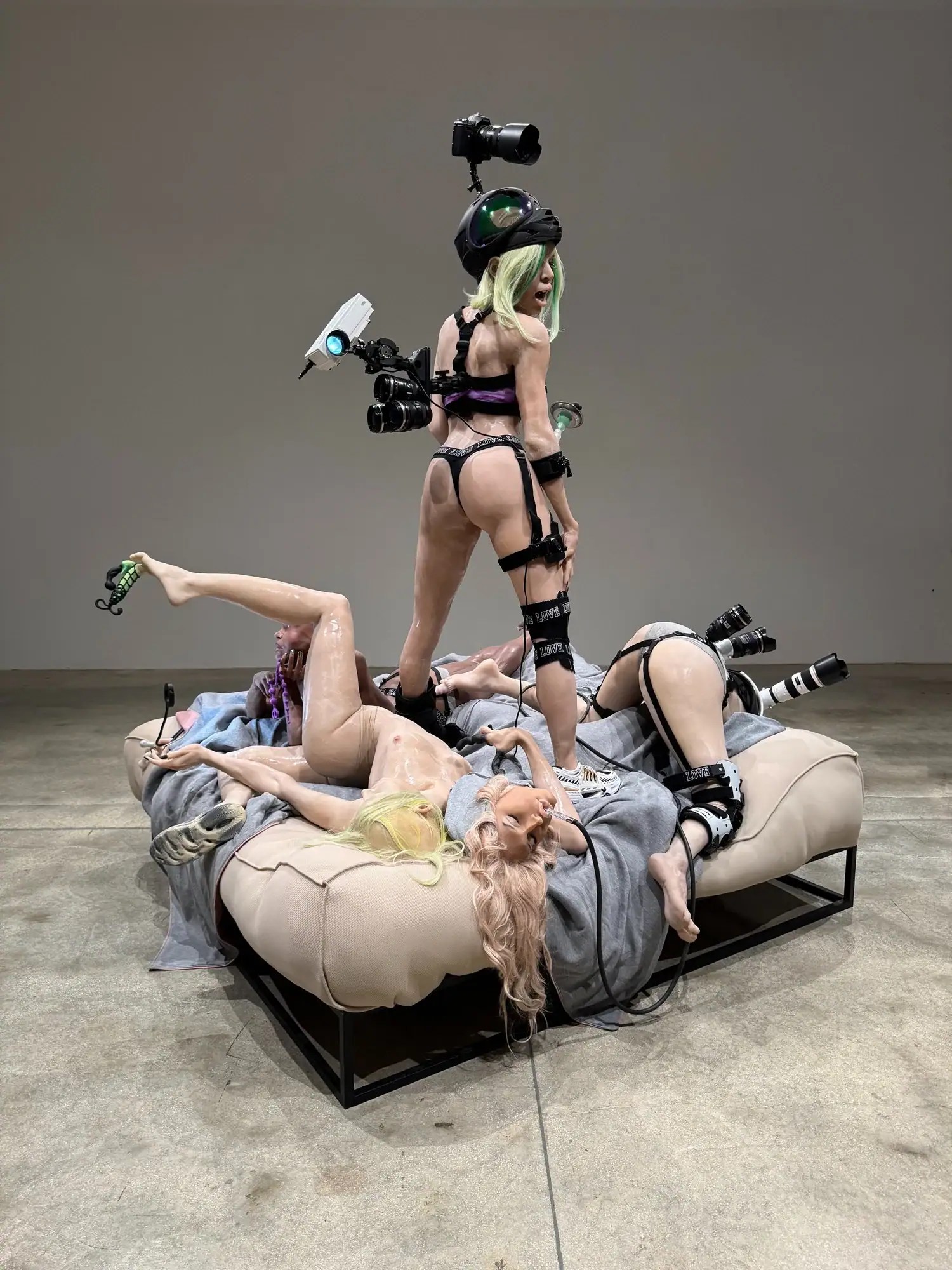
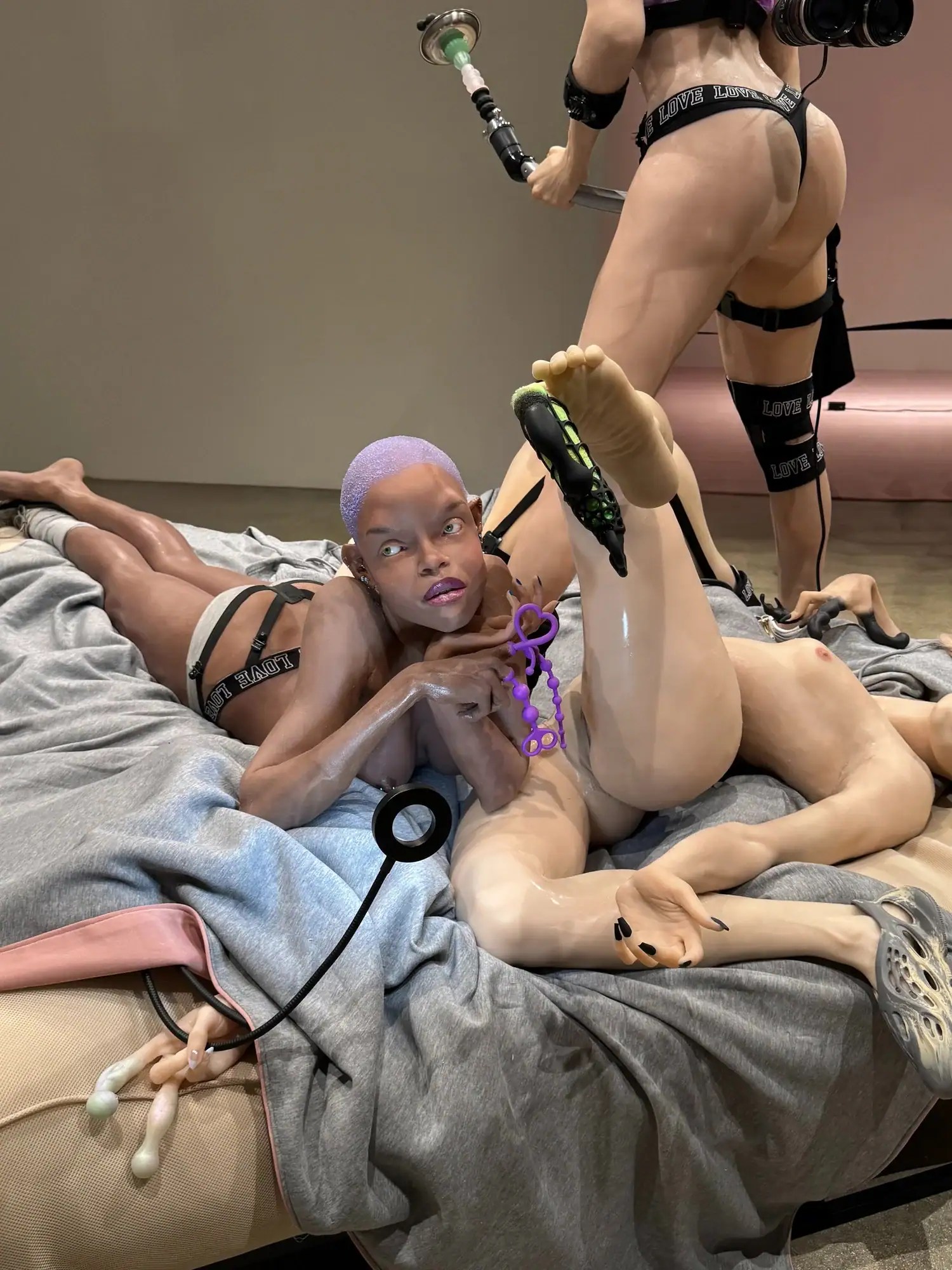
The most rewarding aspect of a visit is the way the curation sets emerging artists beside established ones, so that a dialogue opens up across the galleries. It is a generous way to show a collection, and a revealing one: it demonstrates, in real time, how the Rubells continually revisit their own holdings and reweigh the landscape. You leave with a clearer sense not just of what is being made today, but of the longer arc that produced it.
Designed for discovery
The architecture is never merely a container. The high ceilings, the polished concrete underfoot, the careful balance of natural and diffused light — all of it becomes a quiet backdrop that puts the work first. Each gallery feels self-contained yet connected to the next, and the sequence encourages you to slow down, double back and give individual bodies of work the room they need. The courtyards and transitional spaces do real work too, offering moments of relief between exhibitions in which to reflect before stepping into the next environment. The result is a museum that feels intimate and substantial at once — large enough to occupy the better part of a day, yet never overwhelming.
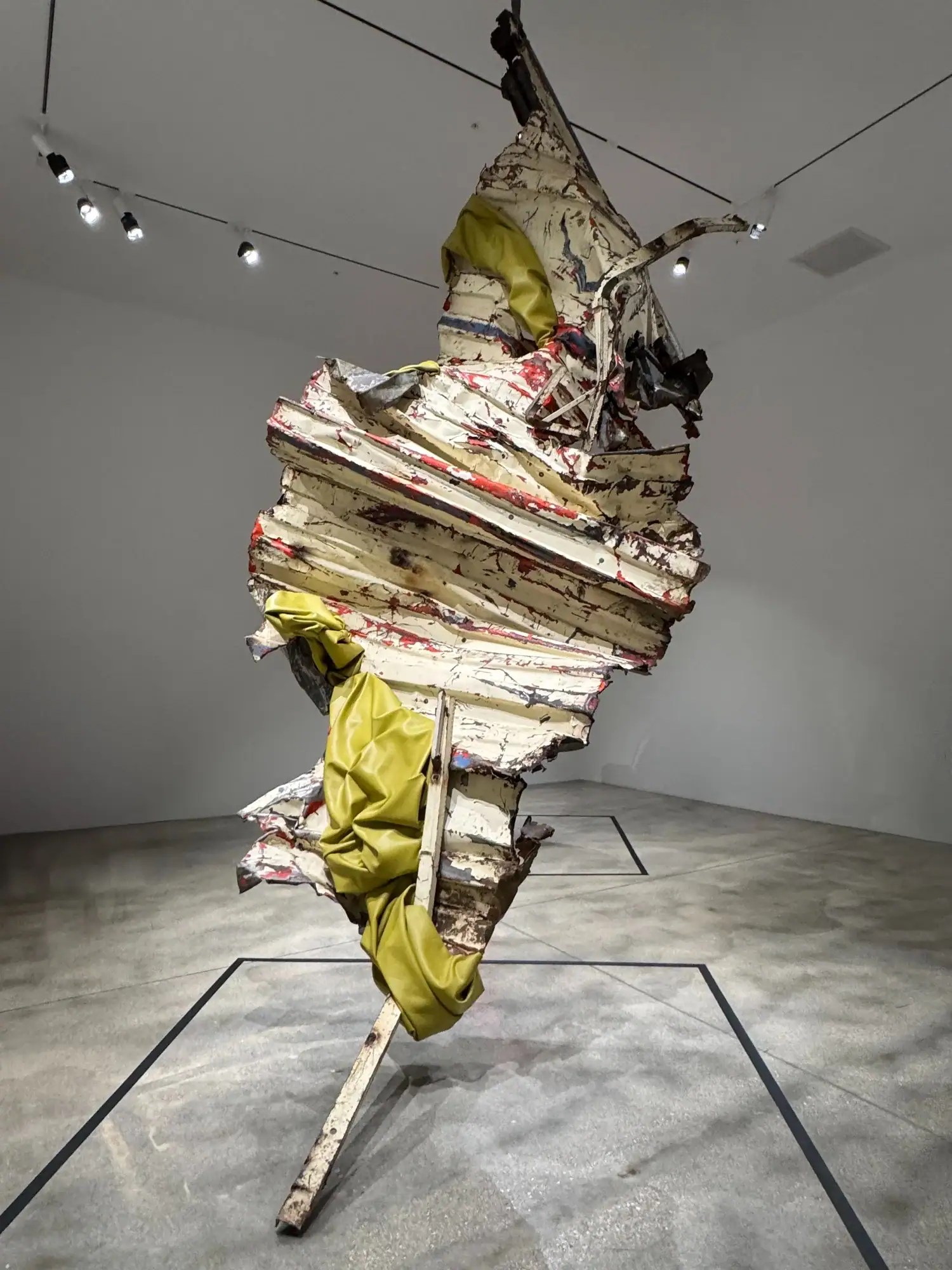

That restraint is the throughline connecting the building to the collection. In both, the design instinct is to remove rather than add, to let the art and the architecture speak without embellishment. It is a sensibility that gives the Rubell a distinctive place among the cultural landmarks of Miami.
Why it matters during Art Week
Miami Art Week draws a global audience precisely because so much is concentrated into so few days, and the fairs deliver that abundance brilliantly. The Rubell adds a slower, more considered encounter that gives the energy of the week its fuller shape. Seeing the museum’s seasonal exhibitions and new acquisitions alongside the fairs is genuinely clarifying: it supplies the context behind many of the artists on show elsewhere in the city, and reveals the long, thoughtful story of patronage and belief that runs alongside the market.
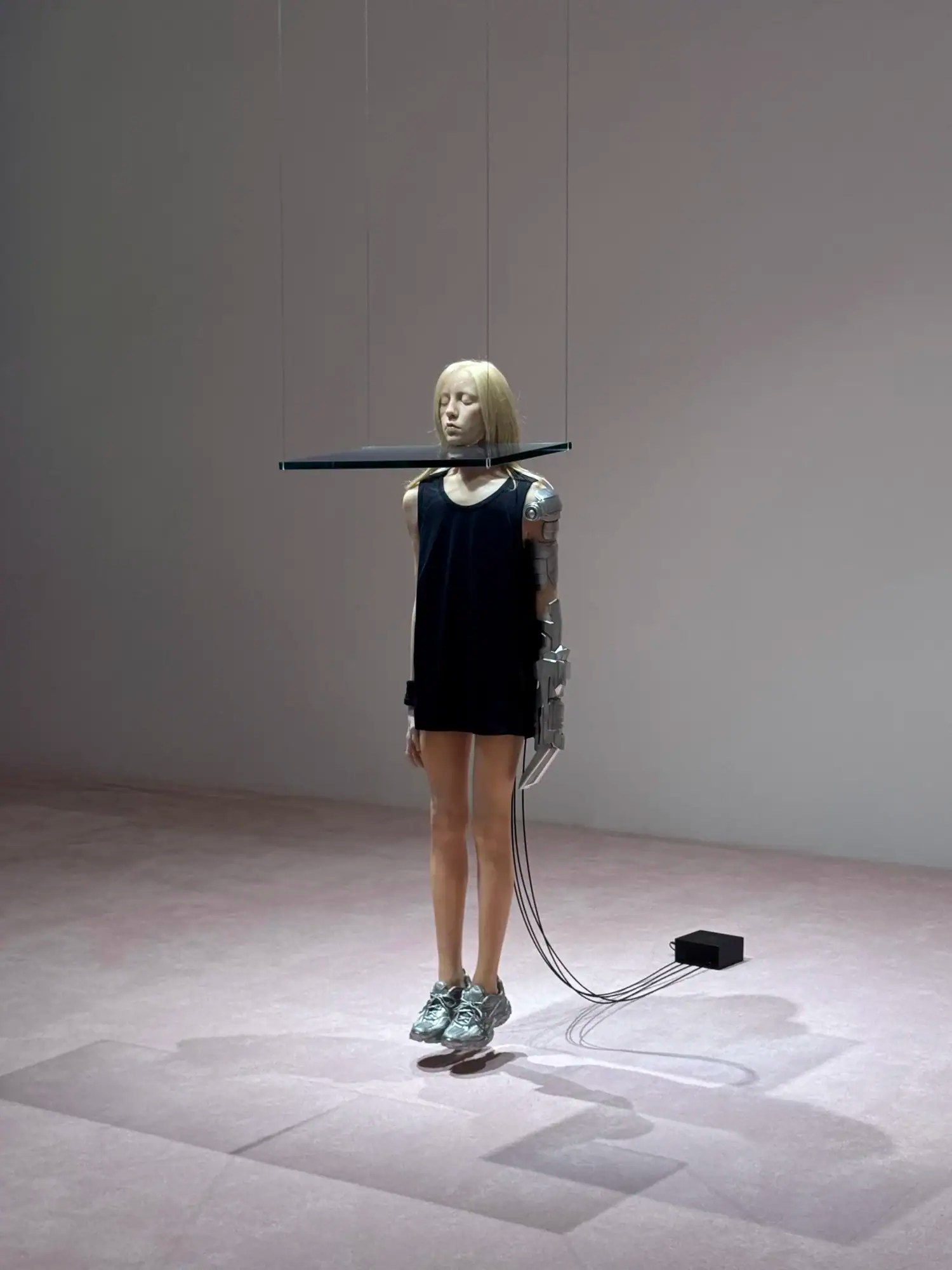
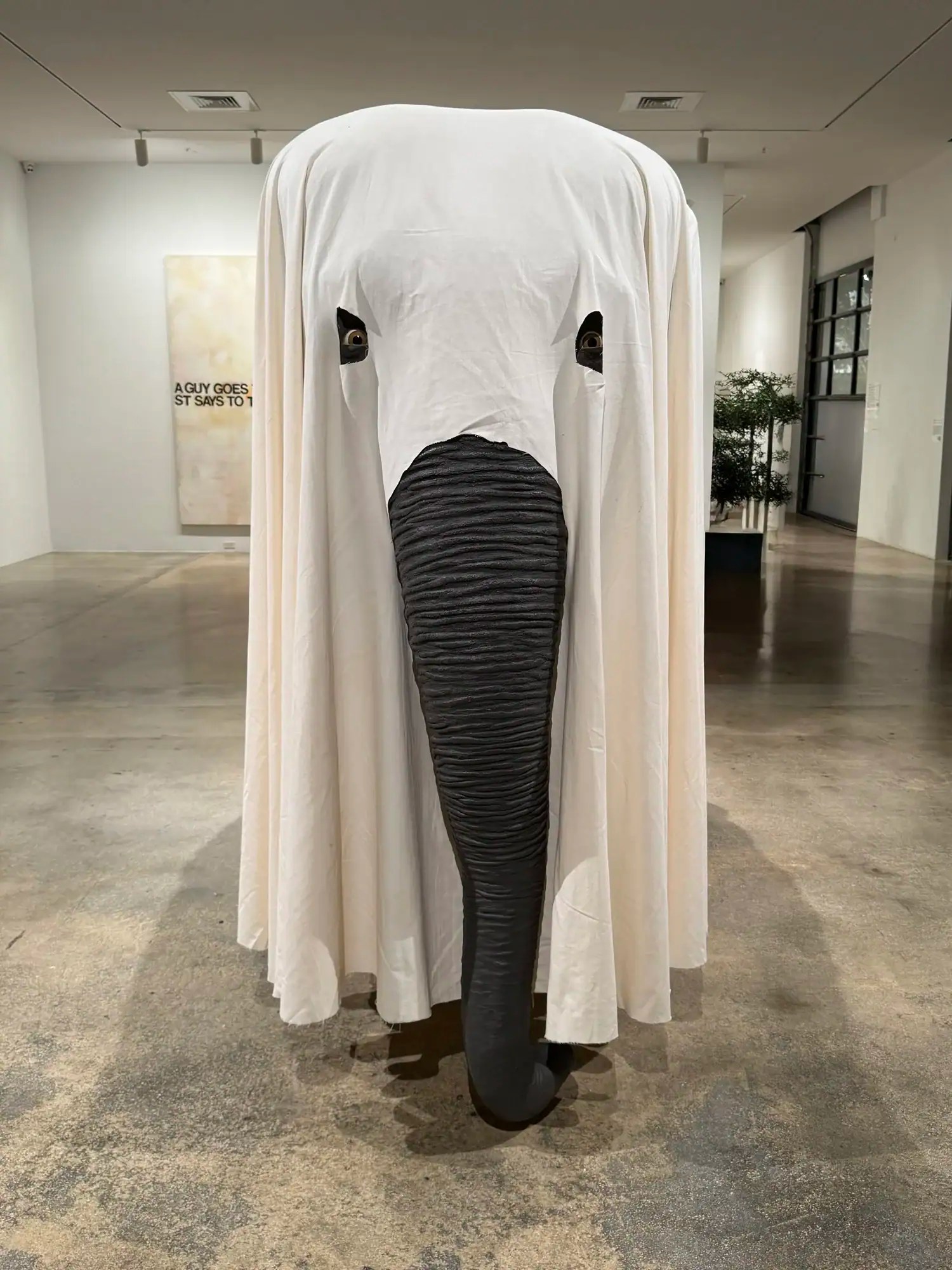
For anyone travelling to Miami for art or design, it strikes an ideal balance of depth, intention and atmosphere, a place that lets the work be fully absorbed and properly remembered.
The essentials: the Rubell Museum sits in Allapattah, a short ride from Wynwood, Midtown and Downtown and close to the Metrorail. It generally opens Wednesday to Sunday, with ticketed admission and concessions for students and seniors; pre-booking is wise during Art Week, when demand peaks. Allow between ninety minutes and three hours, and leave time for the bookshop and a table at LEKU. (Do check current hours and prices before travelling, as both shift around Art Week.)

Leave a Reply