
Interiors · London
Reading time: 8 minsketch has profoundly influenced the way restaurant interiors are designed. Hidden behind the refined Georgian façades of Mayfair, this extraordinary collection of restaurants and bars blends contemporary art, imaginative interiors and world-class hospitality to create a series of immersive experiences unlike anywhere else in London. More than two decades after opening, sketch remains a benchmark for creative hospitality design, proving that a meal can be every bit as memorable as the space in which it is enjoyed.
London is a city that thrives on reinvention. New restaurants open every week, design ideas travel quickly, and hospitality brands bring fresh energy to one of the world’s most dynamic culinary scenes. Every so often a destination emerges that sets its own course entirely, establishing itself as a landmark within the industry it belongs to.
Sketch is one of those places.
Located on Conduit Street in the heart of Mayfair, sketch has spent more than twenty years defying expectations of what a restaurant can be. Part dining destination, part contemporary art gallery and part theatrical experience, it has cultivated a reputation that extends far beyond London’s restaurant scene. Visitors arrive as much to admire the interiors as they do to enjoy the food and drinks, while designers, architects and creatives continue to reference its influence across the hospitality industry.

What makes sketch particularly remarkable is that there is no single defining aesthetic. Sketch celebrates contrast throughout. Each room possesses its own identity, atmosphere and design language, creating a sequence of experiences that feel entirely distinct from one another. Moving through the building is less like visiting a restaurant and more like exploring a series of carefully curated worlds, each revealing a different perspective on art, design and storytelling.
The result is a venue that continues to captivate more than two decades after it first opened its doors. Its ability to combine creativity, craftsmanship and genuine character has inspired a generation of restaurants and continues to set the standard. Sketch remains one of London’s great design destinations, above all because it has always been willing to create its own trends.
A Mayfair Institution Built on Creativity
To understand the significance of sketch, it is worth looking beyond its interiors and considering the ambition behind the project itself.
When restaurateur Mourad Mazouz first conceived sketch, his vision extended far beyond opening another fashionable restaurant. Instead, he imagined a destination where art, hospitality and design could exist in equal measure. Located within an elegant eighteenth-century townhouse, the building provided the perfect canvas for experimentation. Rather than commissioning a single designer to establish a unified aesthetic, the project embraced collaboration, inviting artists, architects and designers to leave their own mark on the various spaces within the property.
This approach gave sketch an unusual freedom. Each room could evolve independently, developing its own story whilst contributing to the wider identity of the venue. The building became a creative laboratory where ideas could be tested, challenged and celebrated. Over time, interiors have been refreshed, artworks replaced and concepts reimagined, ensuring that sketch remains a living, evolving destination rather than a static design statement frozen in time.
That willingness to constantly reinvent itself is one of the reasons sketch has endured for more than two decades at the top of its field. Creativity is not merely part of the brand; it is woven into the building’s DNA.
The Gallery: The Room That Became a Global Phenomenon
No discussion of sketch would be complete without exploring The Gallery, arguably one of the most recognisable restaurant interiors of the modern era.
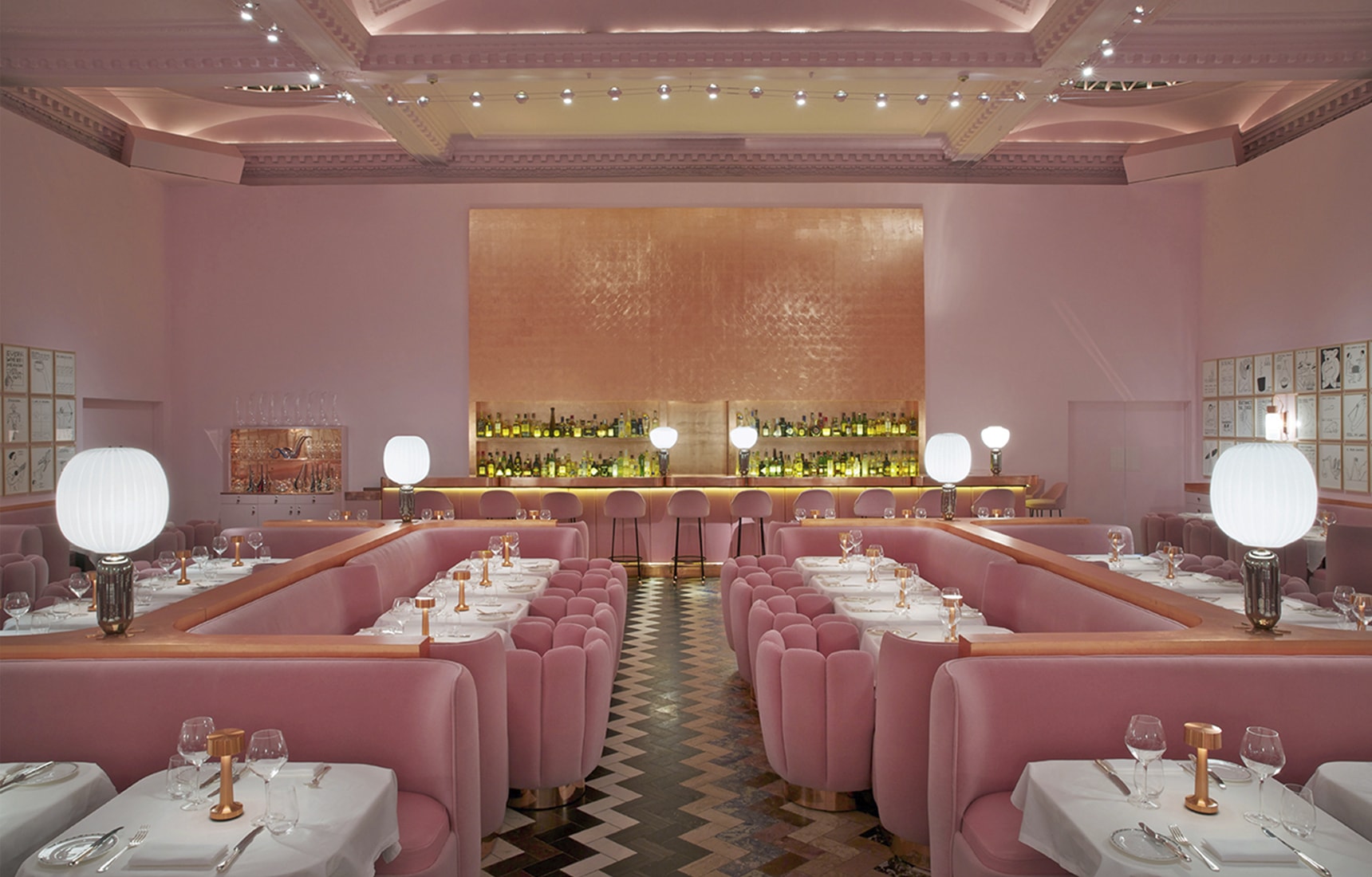
For years, this extraordinary room defined the public image of sketch. Its instantly identifiable pink interior became a social media sensation long before hospitality venues were actively designing spaces for Instagram. Yet reducing The Gallery to its photogenic qualities alone would be doing it a disservice. Behind the visual impact lies an interior of remarkable intelligence and sophistication.


Designed by the celebrated architect and designer India Mahdavi, The Gallery transformed a vast dining room into a monochromatic world of soft blush tones and elegant detailing. Pink at this scale is a bold decision, and Mahdavi approached it with remarkable confidence. The room felt refined, contemporary and unexpectedly timeless.
The colour palette formed only one part of the story. Covering the walls were 239 original drawings by British artist David Shrigley, whose irreverent humour introduced a sharp contrast to the room’s polished elegance. Shrigley’s deliberately naïve black-and-white illustrations injected wit and personality into the space, giving it an easy, unforced charm. The relationship between the artwork and the interior became one of the defining characteristics of the room, creating a dialogue between sophistication and playfulness that perfectly encapsulated the spirit of sketch.


What made The Gallery so successful was its ability to create an emotional response. Guests did not simply admire the room; they immersed themselves within it. The carefully controlled colour palette softened the architecture, while plush seating, warm lighting and luxurious materials created an atmosphere that encouraged people to relax and enjoy their surroundings. It was a room designed to be experienced, not merely observed.
The Gallery achieved extraordinary cultural recognition worldwide. Even today, it remains one of the most influential hospitality spaces of its generation, inspiring countless designers whilst demonstrating the power of bold creative vision.
Design as Theatre
One of the most fascinating aspects of sketch is the way it embraces theatricality.
Design at sketch is never simply a backdrop for dining. It becomes an active participant in the experience. Visitors move through a carefully choreographed sequence of spaces, each designed to evoke curiosity, anticipation and delight.

This sense of theatre begins almost immediately. Corridors, staircases and transitional spaces are treated with the same level of importance as the destination rooms themselves. Rather than simply guiding visitors from one area to another, these spaces build suspense and heighten the sense of discovery.
The experience feels cinematic. Every turn reveals a different scene. Every doorway offers an entirely new atmosphere. Even repeat visitors find themselves noticing details they had previously overlooked.
This commitment to storytelling through design is what elevates sketch beyond traditional hospitality. The building invites interaction. It rewards curiosity. It encourages guests to explore rather than simply consume.
The Famous Egg Toilets
Sketch has turned a practical necessity into one of its most discussed attractions, celebrated internationally in its own right.
The futuristic egg-shaped toilets have become synonymous with the venue itself. Anyone who has visited sketch has almost certainly been asked the same question afterwards: “Did you see the toilets?”
The answer, of course, is almost always yes.

Located beneath a dramatic stained-glass ceiling, the installation consists of a collection of sleek white pod-like structures that resemble oversized eggs resting within an otherworldly environment. Each pod contains an individual toilet cubicle, creating a memorable experience that feels part spacecraft, part contemporary art installation.
What makes the concept so successful is its refusal to take itself too seriously. There is a playful absurdity to the design that perfectly aligns with sketch’s wider identity. The experience is unexpected, slightly surreal and undeniably memorable.
Yet beneath the humour lies a thoughtful design philosophy. The project demonstrates that every moment within a hospitality environment contributes to the overall guest experience. No space is too insignificant to deserve creative attention. By applying imagination to every aspect of the building, sketch transforms even the most mundane interaction into something worth remembering.
The Glade: A Woodland Fantasy in the Heart of Mayfair
If The Gallery celebrated colour and contrast, The Glade explored a different kind of escapism altogether.
Created by artists Carolyn Quartermaine and Didier Mahieu, the room feels as though it has been lifted directly from the pages of a fairy tale. Hidden within one of London’s most sophisticated neighbourhoods is a space that appears completely detached from the city beyond its walls.


Entering The Glade is an immersive experience. Delicate branches stretch across walls. Botanical motifs emerge from layered surfaces. Decorative elements merge into imagined landscapes that blur the boundaries between interior design and visual art.
The room’s inspiration came partly from early twentieth-century stationery, botanical illustrations and traditional découpage techniques. The designers embraced craftsmanship and handwork to create atmosphere. Wallpaper was printed, cut and assembled to form intricate decorative compositions that reward close inspection.


Vintage rattan furniture introduces another layer of character. The material brings warmth and softness to the space whilst reinforcing the room’s nostalgic quality. Antique accessories, decorative objects and richly detailed finishes complete the composition, creating an environment that feels both curated and collected.
The Glade succeeds because it encourages visitors to slow down. This is a room that gradually reveals itself over time, layer by layer. The more attention guests give to their surroundings, the more they discover.
The Parlour and the Beauty of Eccentricity
The Parlour offers a different interpretation of the sketch philosophy.
Where The Gallery dazzles and The Glade enchants, The Parlour welcomes. Rich colours, comfortable seating and eclectic decorative elements combine to create a space that feels intimate and inviting from the moment guests arrive.


There is an unmistakably British character to the room. Antique furnishings sit comfortably alongside contemporary interventions. Decorative lighting introduces warmth and atmosphere, whilst bold patterns and artwork add moments of visual surprise throughout the space.
What makes The Parlour particularly appealing is its sense of informality. Amid its luxurious surroundings, the room feels relaxed, personal and easy to settle into. It evokes the atmosphere of a beautifully lived-in private residence filled with treasured objects accumulated over many years.


Animal portraits, unusual accessories and unexpected decorative details introduce humour and personality, ensuring that the room remains playful despite its refinement. It is precisely this balance that makes the space so successful. Guests feel comfortable enough to settle in and stay awhile, whether enjoying afternoon tea, cocktails or an evening with friends.
In many ways, The Parlour represents one of sketch’s greatest achievements: its ability to create spaces that feel both extraordinary and accessible at the same time.
The Lecture Room & Library: Refined Luxury and Quiet Drama
Upstairs, the atmosphere changes once again.
The Lecture Room & Library demonstrates a more restrained side of sketch’s identity, proving that the venue’s creative ambitions extend well beyond bold colours and playful interventions. Home to one of London’s most celebrated fine dining experiences, the room embraces a richer, more sophisticated aesthetic built around comfort, craftsmanship and understated drama.


Designed by Gabhan O’Keeffe, the interior feels enveloping and serene. Deep amber tones, luxurious textiles and soft upholstery create a sense of intimacy that immediately distinguishes the space from the more energetic environments elsewhere within the building.
The detailing is exceptional. Plush rugs introduce texture and warmth underfoot, while bespoke lighting creates pools of gentle illumination throughout the room. Decorative elements have been carefully considered to support the dining experience without overwhelming it. Every component contributes to a cohesive atmosphere of elegance and refinement.

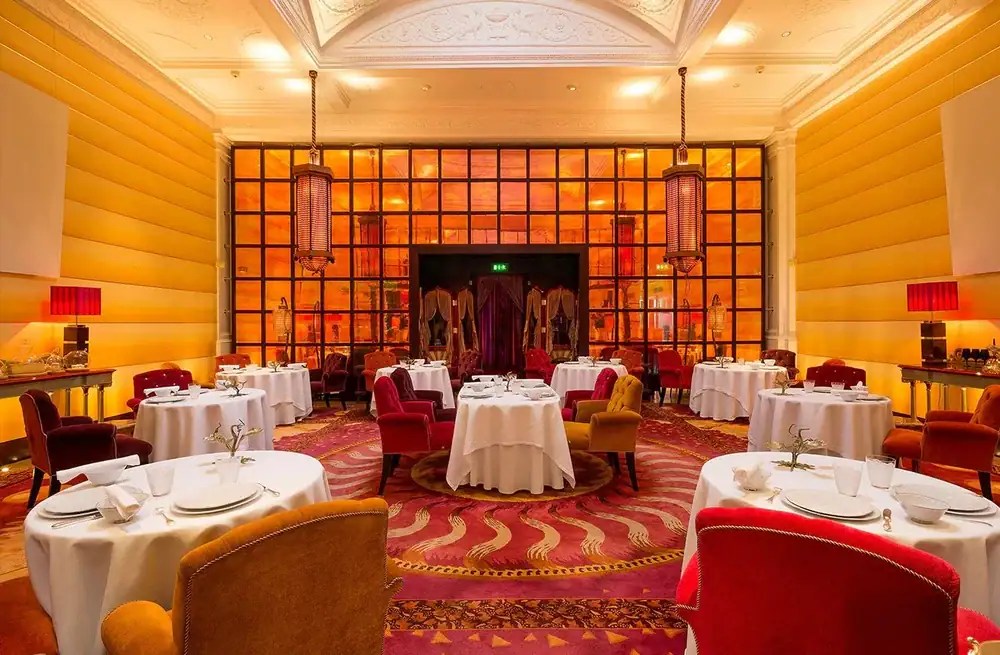
What is particularly impressive is the room’s quietly confident luxury. The design demonstrates restraint, using layers of materiality, colour and craftsmanship to create a richness that reveals itself gradually.
It is a fitting setting for one of London’s most respected culinary destinations and a reminder that impactful design does not always need to shout for attention.
Why sketch Continues to Influence Hospitality Design
More than twenty years after opening, sketch remains one of the most influential hospitality projects in the world.
Its legacy extends far beyond Mayfair. Designers, restaurateurs and hoteliers continue to draw inspiration from the venue’s willingness to challenge convention and embrace creativity. Long before immersive hospitality became an industry buzzword, sketch was demonstrating how design could transform an ordinary meal into a memorable experience.
The secret to its success lies in its authenticity.
Sketch has consistently prioritised artistic expression, craftsmanship and originality. Every room possesses a clear identity. Every collaboration serves a purpose. Every design decision contributes to a broader narrative centred around discovery and imagination.
In an era of constant change across hospitality, sketch remains unmistakably itself.
There are restaurants that serve exceptional food. There are restaurants with beautiful interiors. Then there are places like sketch, where design, art and hospitality combine to create something far greater than the sum of their individual parts.
More than two decades after opening its doors, sketch continues to surprise, inspire and delight visitors from around the world. Whether exploring the iconic Gallery, losing yourself within the dreamlike atmosphere of The Glade or simply discovering the famous egg-shaped toilets for the first time, every visit offers a reminder of the power of great design to transform everyday experiences into lasting memories.
In a city renowned for creativity, sketch remains one of London’s most imaginative destinations. Not simply because of how it looks, but because of how successfully it makes people feel. And ultimately, that is what truly great design is all about.


Leave a Reply