
DUBAI DESIGN WEEK · DUBAI
Reading time: 7 minSteel inflated with compressed air until it swells into a stool. Seed floss gathered from a desert shrub. Mother-of-pearl laid by hand in thousands of pieces. After a hybrid edition in 2020, the first fair back in a real room filled itself with things a screen cannot transmit, and that was not an accident.
There is a straightforward test for what a trade fair uniquely gives you, and 2021 was the year it got applied to every design fair on earth.
A catalogue, a website and a video walkthrough each have their uses, and the hall, the flights, the stand build and the freight buy something none of them can. The 2020 edition of Downtown Design ran in hybrid form and kept the conversation going through a difficult year.
So the fair that returned to the d3 Waterfront from 8 to 12 November 2021, during Dubai Design Week, had a great deal to offer. It brought back more than 130 international and regional brands and designers in what was the first significant opportunity for the region’s design industry to show work in person since the pandemic began.
What it filled the room with is the interesting part. Look down the list and an unusually high proportion of it is work whose entire argument is physical: surface, weight, texture, the behaviour of a material under stress. That is a fair making a case for its own format.


Inflating steel, and the phrase that describes the whole edition
The clearest example came from Poland.
Zieta, the studio of Oskar Zięta, works in a process called FiDU, from the German Freie Innendruck Umformung, or free internal pressure deformation. Zięta developed it at ETH Zurich, adapting tube hydroforming techniques from car manufacturing.
The method is beautifully simple to describe and very difficult to do. Two sheets of metal are laser-cut to a profile and welded tightly together around their edges. High-pressure air is then injected between the layers, and the flat sheet swells outward into a three-dimensional object. Early work used water at between 3 and 50 bar; the studio now uses compressed air.


Zieta
The results are hollow, so they are extremely light for their strength, and they come out of the process finished, with no further work needed. There is a striking efficiency claim attached too: defining one of the studio’s PLOPP stools takes around 16 kilobytes of data, against roughly 142 gigabytes for a conventionally modelled equivalent, which matters more than it sounds given how much energy server farms consume.
The part worth borrowing, though, is how Zięta describes his own method. He calls it a controlled loss of control, letting the material’s own behaviour produce the final form rather than forcing it to a predetermined surface.
That phrase describes a surprising amount of what was in this fair.

Zieta
Four designers, four materials nobody else was using
The strongest local content came through Tanween, Tashkeel’s design programme, which ran from 16 January to 13 November 2021 and debuted its results at the fair. Four designers worked with local botanists, scientists, engineers and manufacturers, which is a considerably more demanding brief than working with a fabricator alone.
Tasnim Tinawi’s Kapok series uses desert cotton, the seed floss of Aerva javanica, a shrub that grows across the region’s dunes and roadsides and is regarded by most people as scrub. Turning a wild fibre into a usable material means solving for cleaning, consistency and volume before design even begins.


Tanween by Tashkeel
Khawla Al Balooshi’s Taht Al Ghaf, meaning “under the ghaf”, works treated wood into half cylinders. The ghaf is the UAE’s national tree and the one that historically made shade and life possible in the inland desert, so naming a piece for the space beneath it is doing real work rather than gesturing at heritage.
Eman Shafiq’s Sehra is made from BioSand, a biodegradable material, and Nuhayr Zein combined digitally carved oak with Leukeather, a plant-based leather alternative.
Read the four together and a pattern appears that predates every later conversation about circularity in this region. Desert cotton, ghaf, biodegradable sand composite, plant-based leather. These are not sustainable materials imported as a concept. They are materials that grow here, being made into things here, which is a much harder and much more useful proposition.


Tanween by Tashkeel
The Beirut Concept Store was not a normal fair section
One part of the 2021 edition carries weight that no design report gave it at the time.
The fair included a Beirut Concept Store presenting around 50 Lebanese designers.
November 2021 was fifteen months after the Beirut port explosion, and Lebanon was in the depths of an economic collapse that had destroyed the currency, the banking system and the ability of most studios to buy materials, let alone ship them. A Lebanese design sector existed in 2021 largely through stubbornness.


The Line Concept
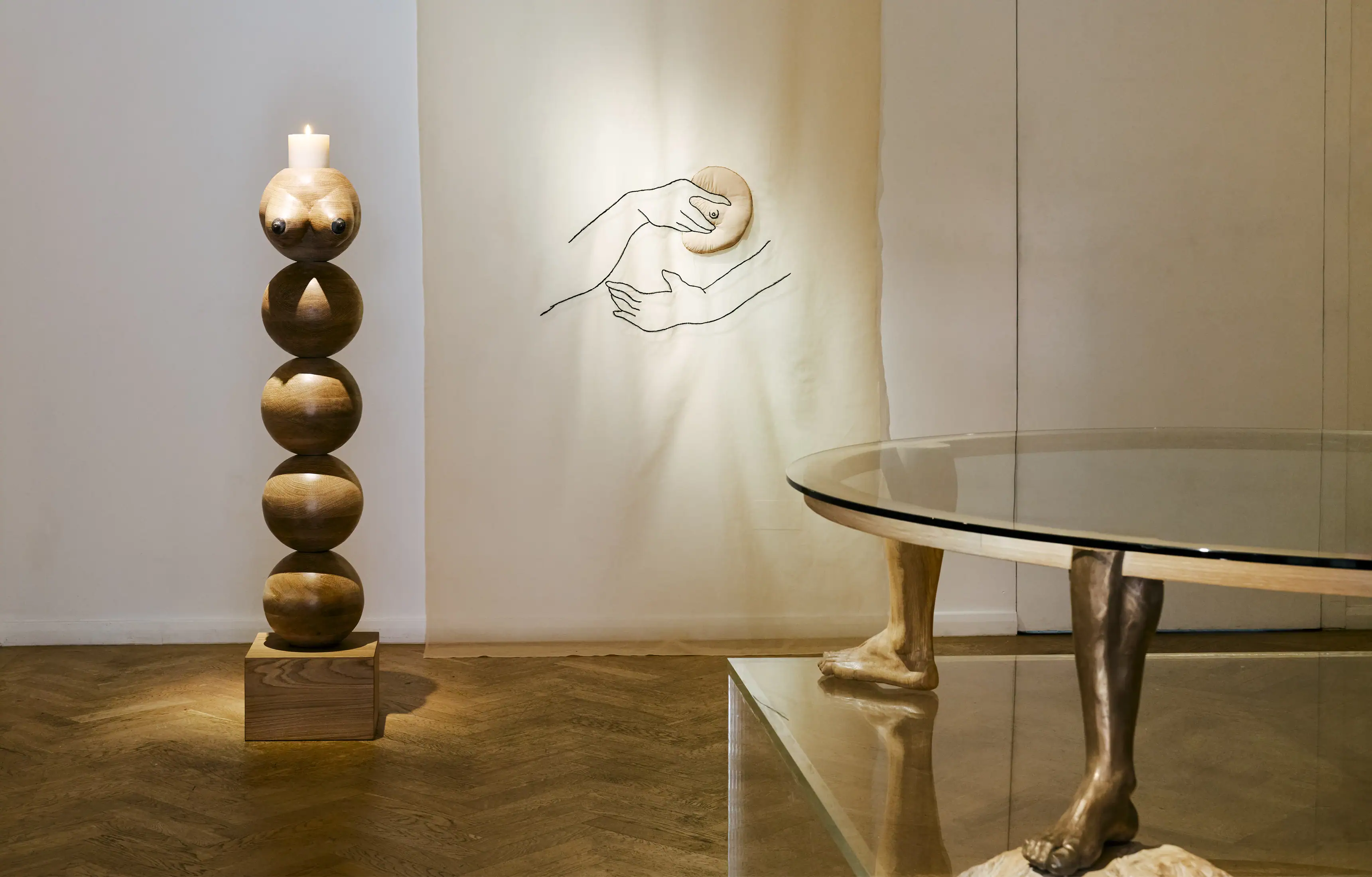
Giving fifty of those designers a commercial platform in the region’s most functional design market was not a curatorial theme. It was infrastructure. Beirut had been the Arab world’s design capital for decades, and in 2021 the practical question was whether that capacity would survive at all. Dubai putting a floor under it, in a room where buyers were standing, was the most consequential thing at the fair.

The Line Concept
Everything else in the room
The rest of the edition was built out with the sections that would become fixtures.
Downtown Editions ran as the boutique platform for limited-edition and bespoke work, and the UAE Designer Exhibition 2.0 presented 25 emerging local talents, which is a serious commitment of floor space to people with no sales history.
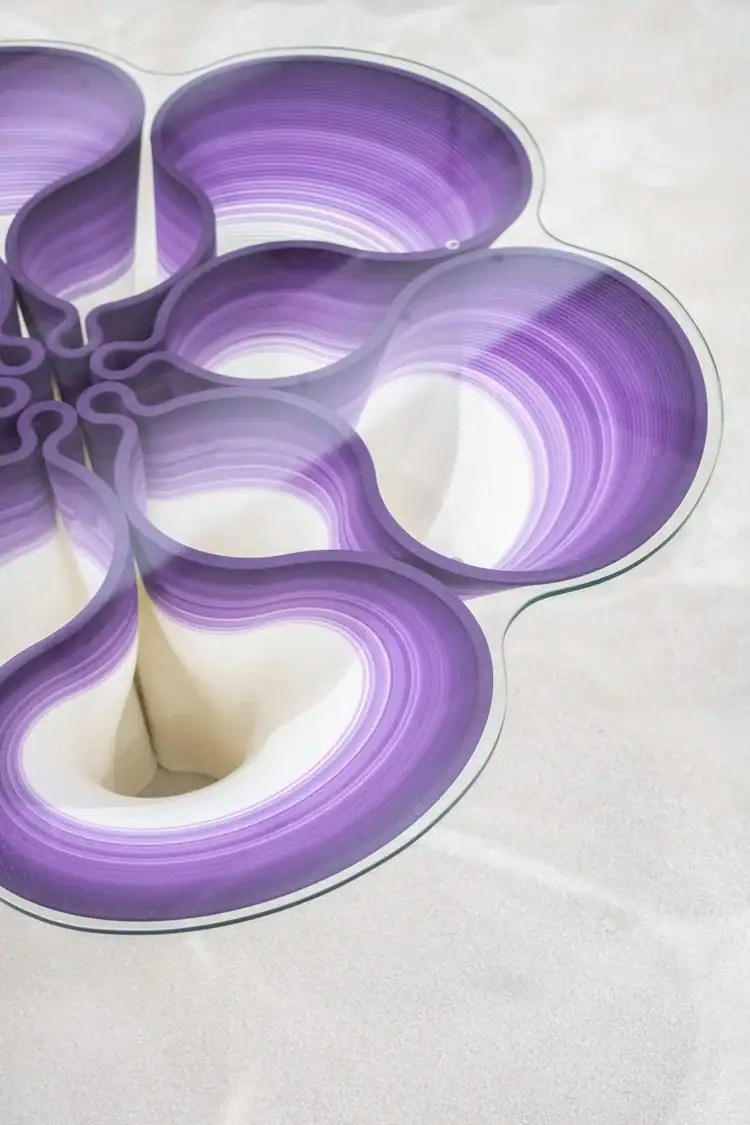
Among the exhibitors, Arijian showed the work of Jian Yoo in mother-of-pearl, thousands of pieces cut and laid by hand by master craftsmen. Inlay of that kind is among the slowest decorative techniques still practised, and the labour is legible in the surface, which is exactly why it belongs in a room rather than in a photograph.


DesignKraft
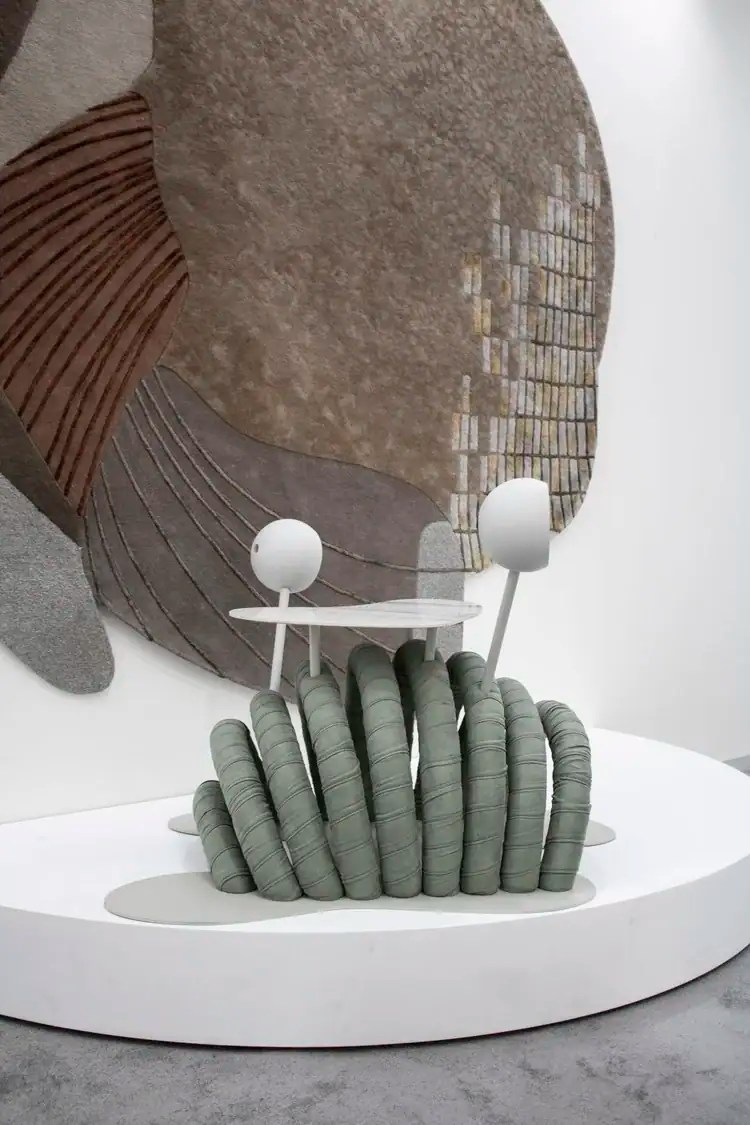
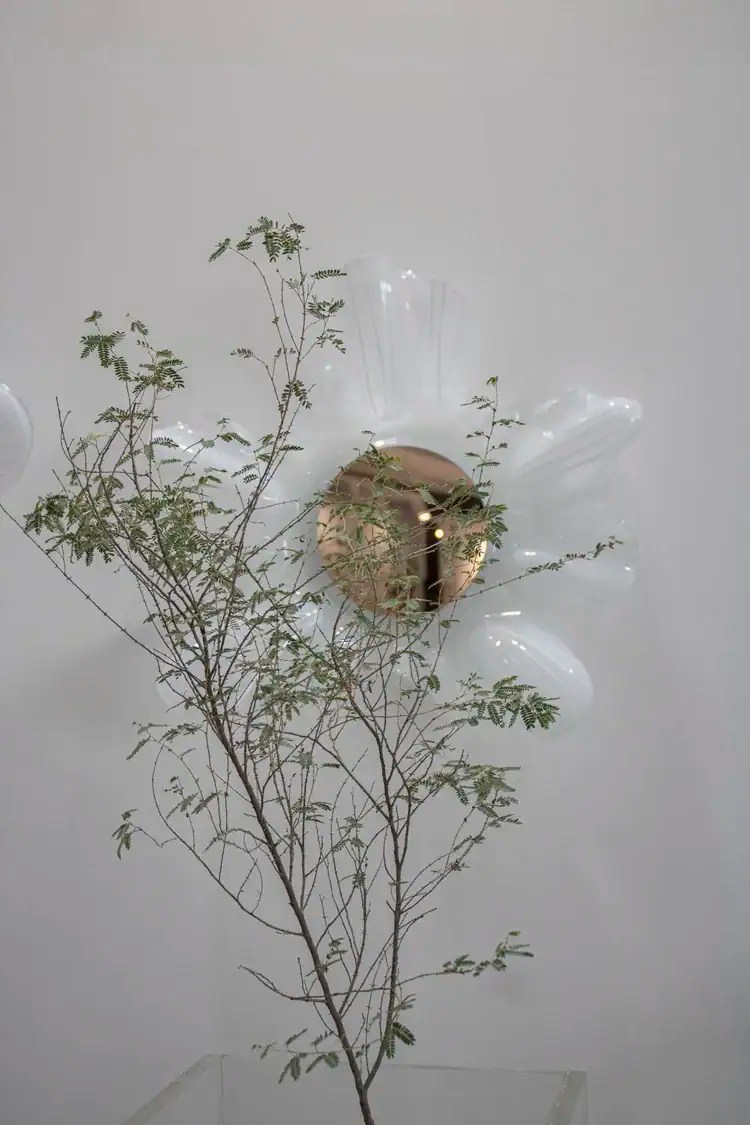
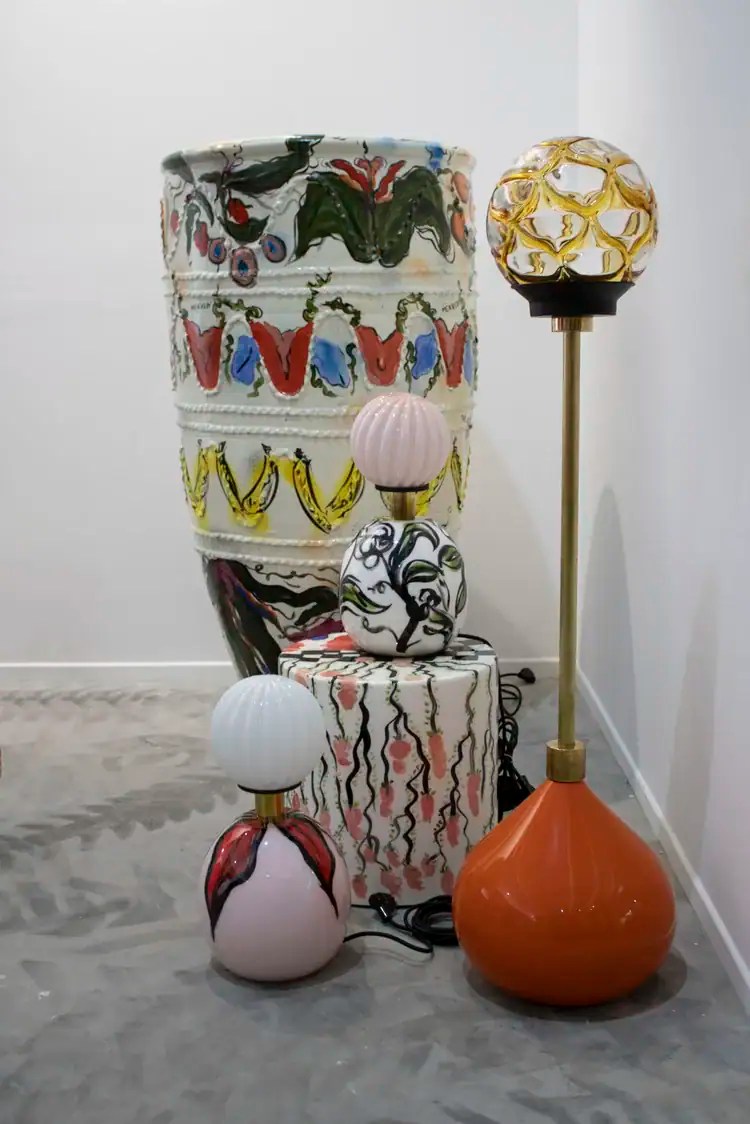
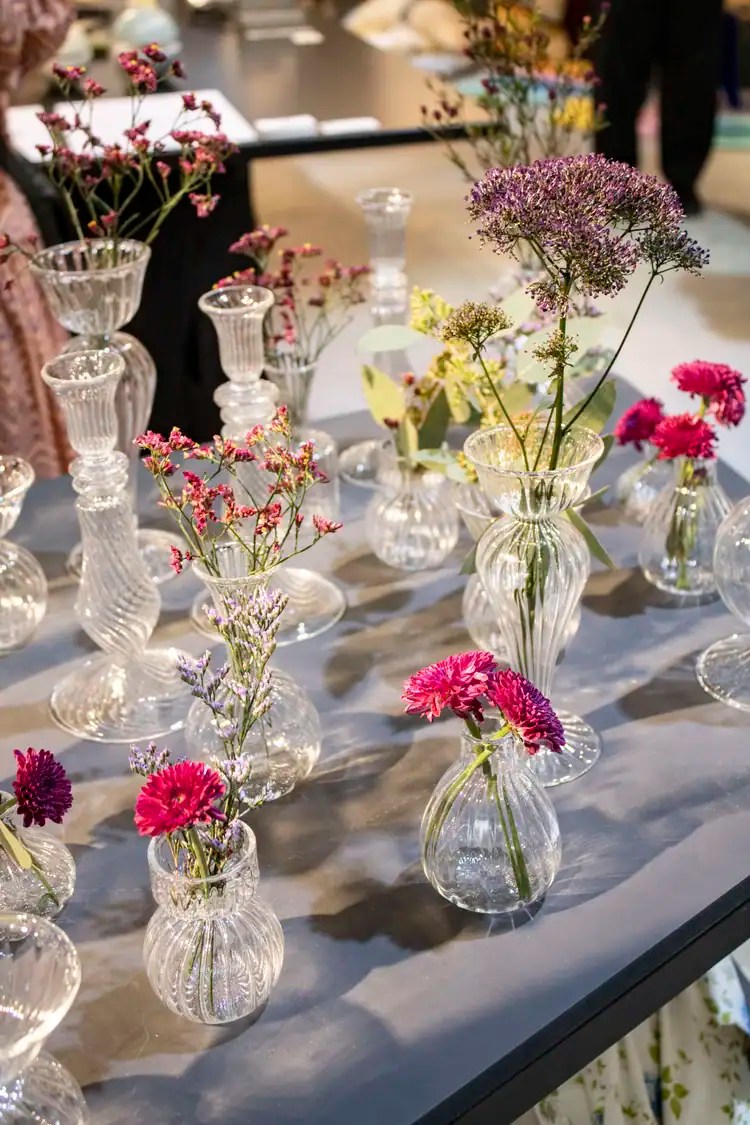
Zieta aside, The Line Concept, a Dubai studio, worked in steel, brass and marble by hand. DesignKraft, another Dubai maker, brought a Design for Life programme allowing clients to refresh or recycle pieces, which is a circular argument made through service rather than through material. ARE showed pixelated furniture and mirrors. Interiors from Spain, curated by Kristina Brateng of B8 Architecture, brought Spanish work including surfaces from the Cosentino Group.

DesignKraft
The fair’s own architecture mattered too, and it is usually ignored. The entrance installation came from Niu studio, the Lounge Bar from Broadway Interiors, and the Lighthouse Café from Lulie Fisher Design Studio, the last taking Virginia Woolf’s Bloomsbury Set as its reference, which is an unusually literary starting point for a fair café. The Forum was staged as an amphitheatre for daily talks.
Commissioning named studios to design the circulation, the bar and the café is a small decision that changes how a fair feels. It treats the spaces between the stands as design rather than as logistics.
The wider design year down the road
Context worth naming, because it made 2021 an unusual year to hold a design fair in this city.
Expo 2020 Dubai was running simultaneously, having opened on 1 October 2021, and it was the largest concentration of commissioned national pavilion architecture anywhere on earth. Anyone in Dubai with an interest in design had somewhere extraordinarily ambitious to go as well.


Spanish Institute for Foreign Trade (ICEX) / “Interiors From Spain”
A trade fair offers something different in kind, and Downtown Design played to exactly that. What it had was the thing Expo could not offer, which is the ability to touch a chair, ask what it costs, and place an order. In a year of enormous ambition across the city, the fair was the working room where that energy turned into orders.

Spanish Institute for Foreign Trade (ICEX) / “Interiors From Spain”
Frequently asked questions
When was Downtown Design 2021?
From 8 to 12 November 2021 at the d3 Waterfront in Dubai Design District, during Dubai Design Week, which ran from 8 to 13 November.
How many brands took part?
More than 130 international and regional brands and designers, in the first significant in-person edition since the pandemic, after a hybrid edition in 2020.
What were the fair’s sections?
Downtown Design itself, Downtown Editions for limited-edition and bespoke work, the Beirut Concept Store with around 50 Lebanese designers, the UAE Designer Exhibition 2.0 with 25 emerging local talents, the Tanween programme, and The Forum talks.
Who were the Tanween 2021 designers?
Tasnim Tinawi, Khawla Al Balooshi, Eman Shafiq and Nuhayr Zein, working with local botanists, scientists, engineers and manufacturers.
What is FiDU?
Free internal pressure deformation, developed by Oskar Zięta at ETH Zurich. Two laser-cut sheets of metal are welded together and inflated with high-pressure air, expanding a flat profile into a hollow three-dimensional object that needs no finishing.
What is desert cotton?
The seed floss of Aerva javanica, a shrub native to the region, used by Tasnim Tinawi as the basis of her Kapok series.
What is the ghaf?
The national tree of the UAE, historically the source of shade and grazing in the inland desert, and the reference behind Khawla Al Balooshi’s Taht Al Ghaf.


Arijian

Arijian


ARE

ARE
Final thoughts
Every design fair in 2021 was really answering the same question, which was what the format could give people after a year in which everything had been photographed, filmed and streamed instead.
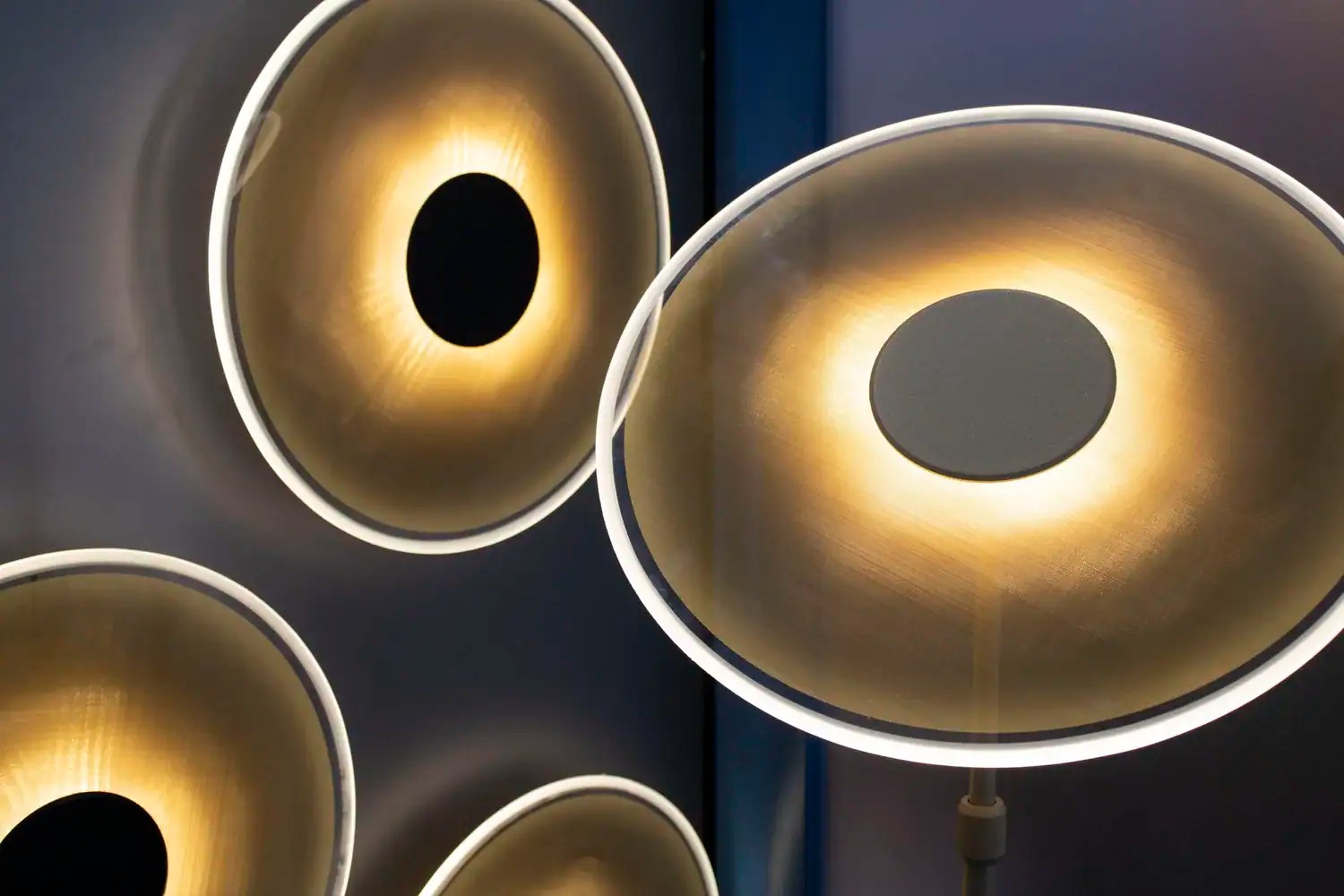
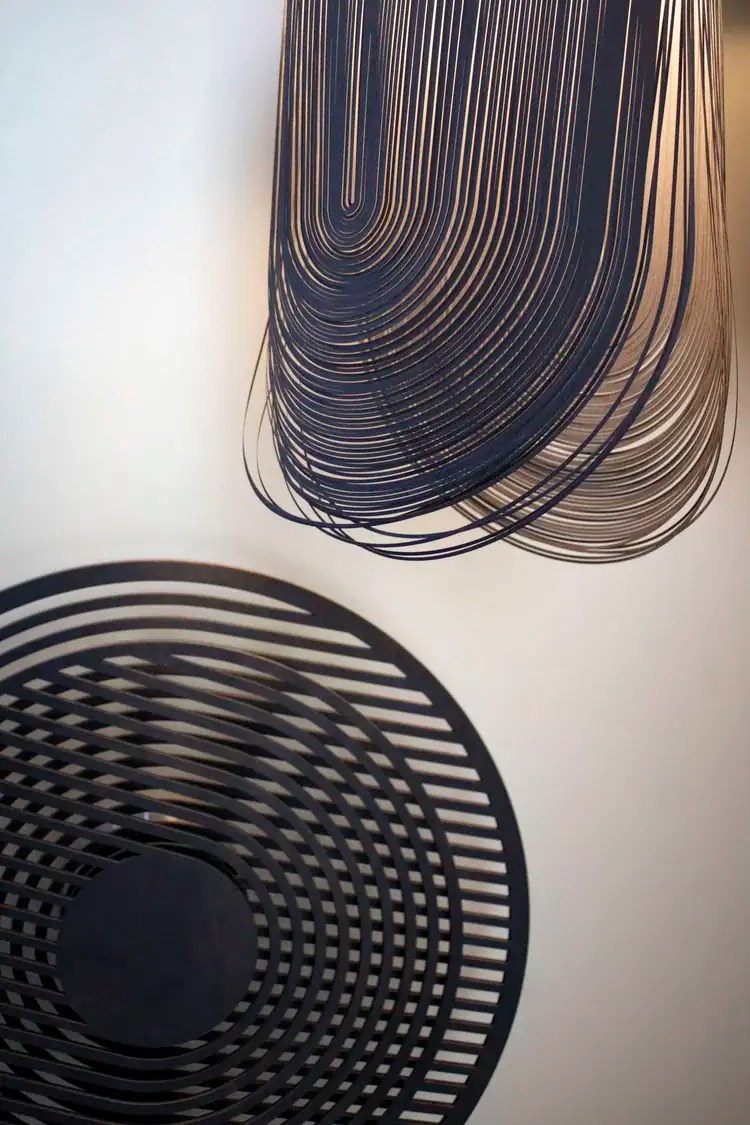
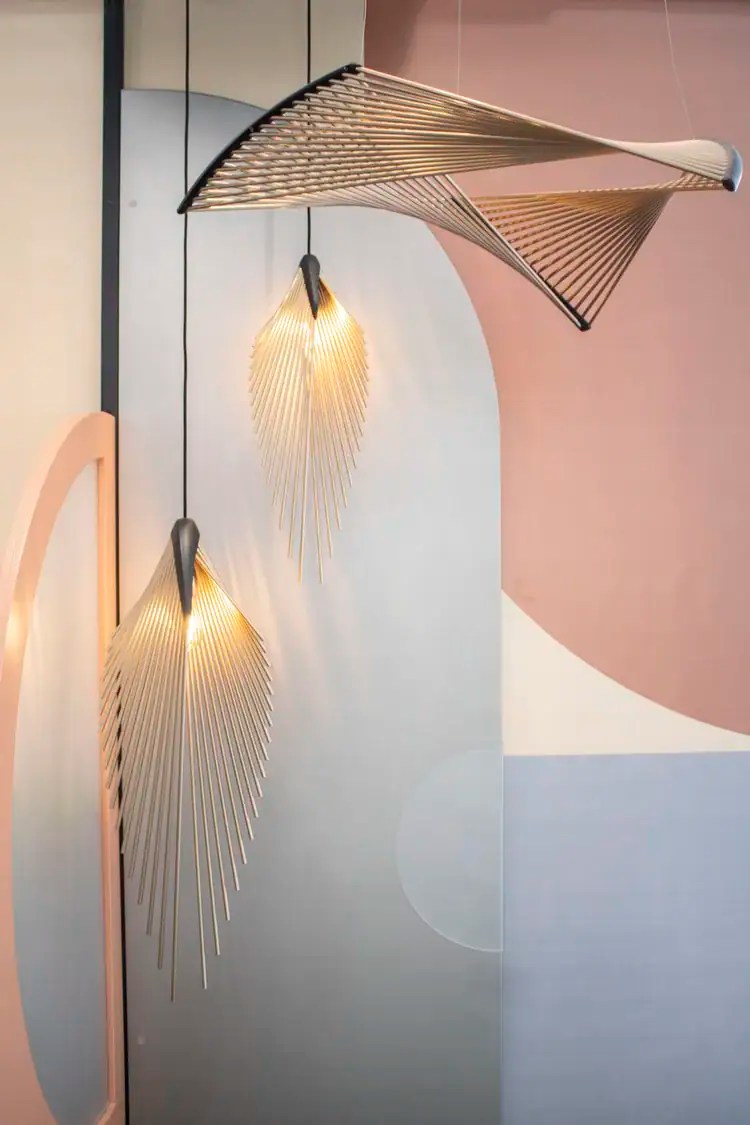
Downtown Design answered it by leaning into material. Steel that had to be inflated to exist. Fibre pulled from a desert shrub nobody had thought to use. Mother-of-pearl laid by hand in thousands of pieces. A wood named for the tree that made the interior desert habitable. None of it survives translation to a screen, because all of it is about surface, weight and the evidence of a process.
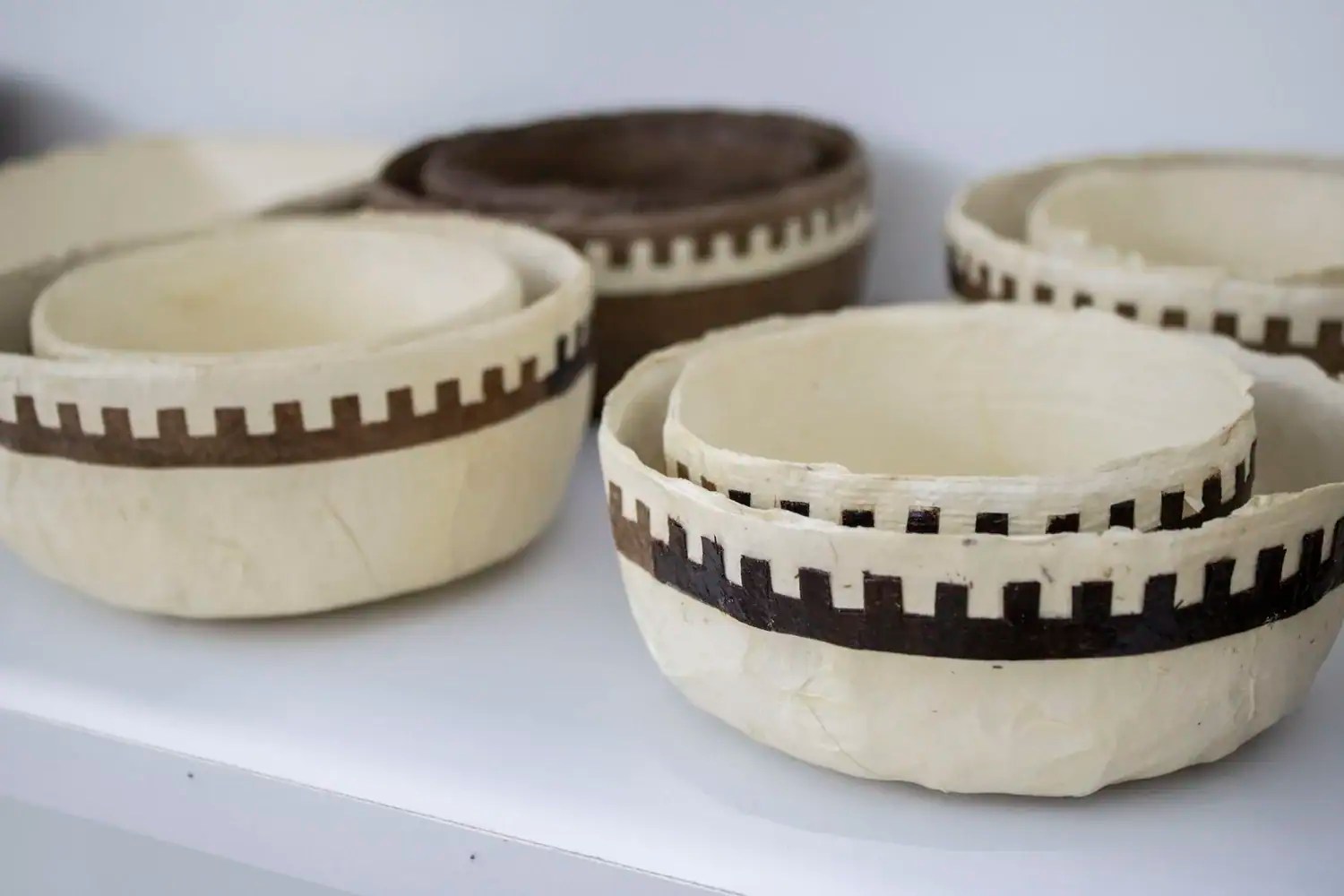
Oskar Zięta’s phrase covers the whole edition as neatly as any theme the fair gave itself. A controlled loss of control, which is what happens when a maker sets the conditions and then lets the material finish the job.
And fifty Lebanese designers were given somewhere to sell, in the year they most needed it. That is what a fair is for, and it does not photograph at all.

Leave a Reply