
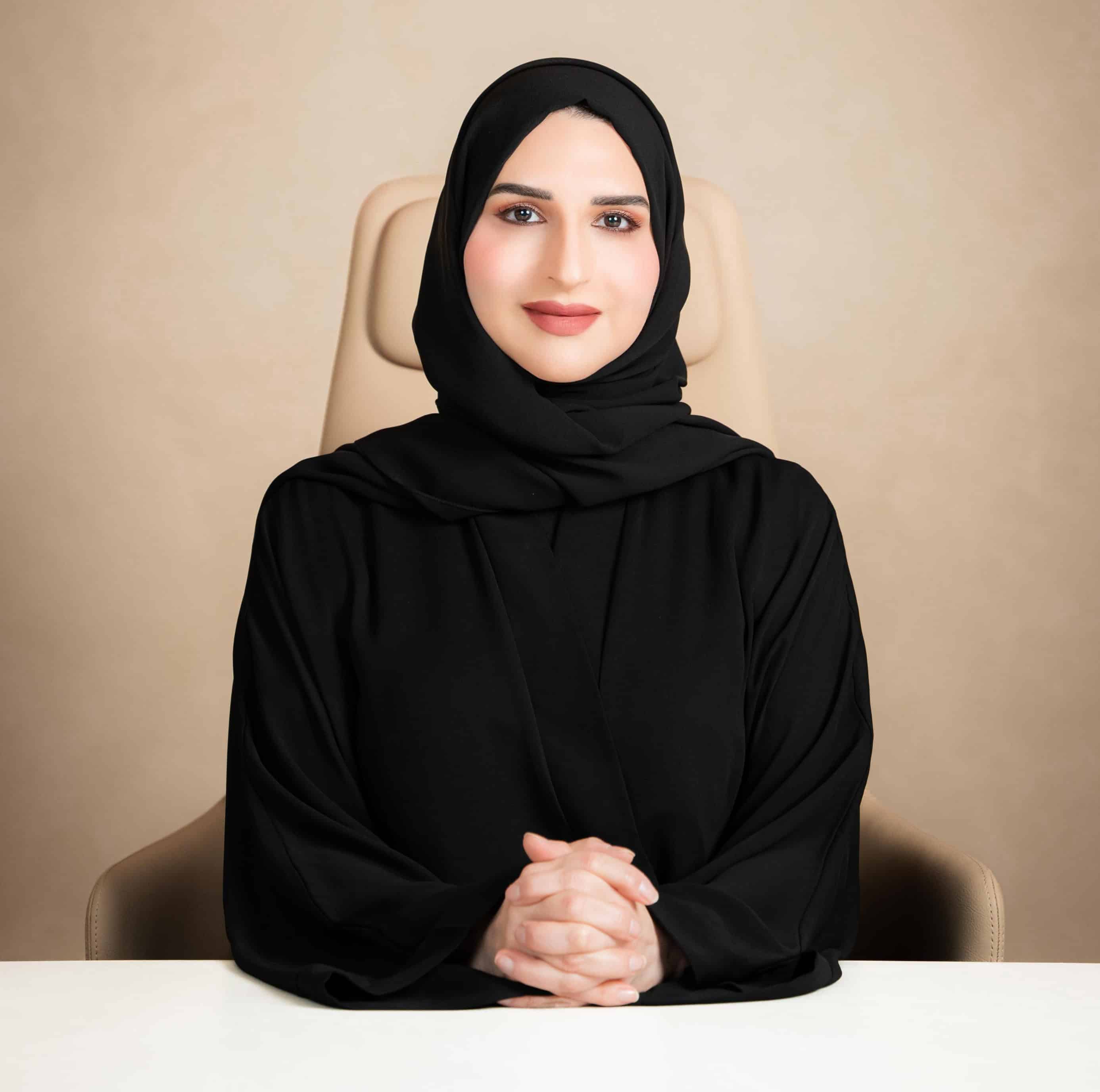
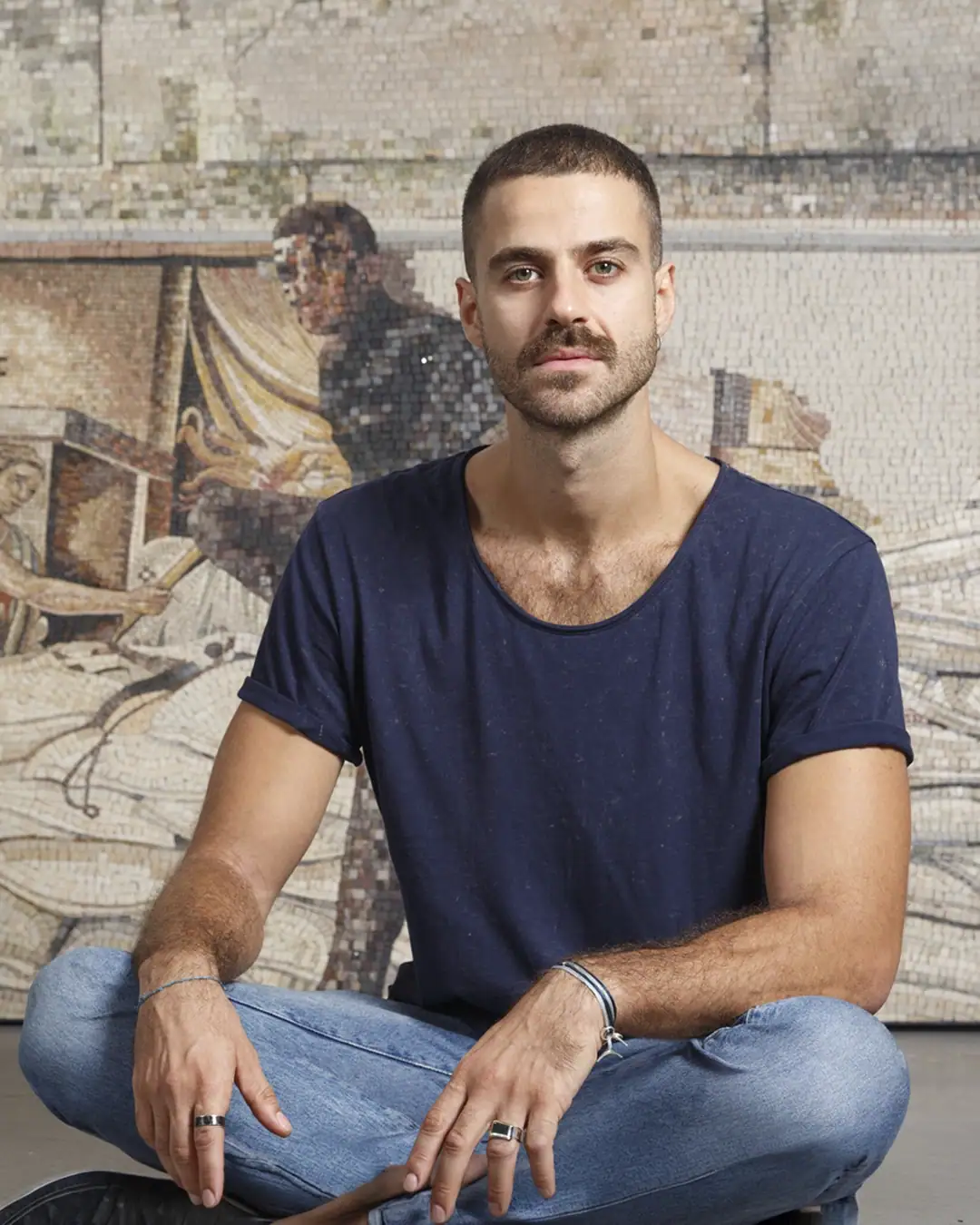
Hala Badri Director General, Dubai Culture and Arts Authority
Dubai, United Arab Emirates September 2025
In recent years, Dubai has firmly established itself as one of the world’s leading cultural and creative hubs, a city where heritage, innovation, and international collaboration intersect. At the heart of this transformation is Her Excellency Hala Badri, Director General of Dubai Culture and Arts Authority, whose leadership has been instrumental in shaping policies and initiatives that empower artists, designers, and cultural practitioners across the emirate.
From championing public art strategies that bring creativity into the city’s everyday spaces, to spearheading long-term frameworks such as the Design Sector Strategy 2033 and the Cultural Grant Programme, Her Excellency’s vision reflects Dubai’s ambition to not only nurture local talent but also position itself as a global leader in the creative economy. Under her guidance, Dubai has strengthened its presence on the world stage through UNESCO’s Creative Cities Network, major cultural events, and partnerships with international design hubs such as London, Milan, and Osaka.
In this exclusive interview, Her Excellency Hala Badri shares insights into how Dubai is cultivating its design and cultural landscape, from supporting grassroots communities in Alserkal Avenue and the Al Quoz Creative Zone to bridging traditional Emirati heritage with contemporary practice and preparing to host the ICOM General Conference 2025, a milestone moment for the region.
Dubai’s place in UNESCO’s Creative Cities Network for design affirms our resolve to keep the cultural sector moving forward. This recognition has only encouraged us to continue ensuring that designers and artists have the space and support they need to advance their practice and connect with audiences, both at home and on the international stage.
A comprehensive path toward this goal is set out in Dubai Culture’s Design Sector Strategy 2033. The strategy calls for a 20% rise in enrolment across higher and lifelong design programmes, opening opportunities for more than 25,000 students. It strengthens established businesses and nurtures new ventures, giving home-grown brands a springboard to expand across continents. It also schedules a broad roster of design events in Dubai and overseas, aiming to welcome four million visitors to exhibitions and showcases by 2033.
In line with these ambitions, Dubai Design Week has become a highlight of the regional calendar. Every edition attracts designers, architects, and other creative professionals from around the world. Events like this have played a key role in positioning Dubai as a global centre for culture, an incubator for creativity, and a thriving hub for talent.
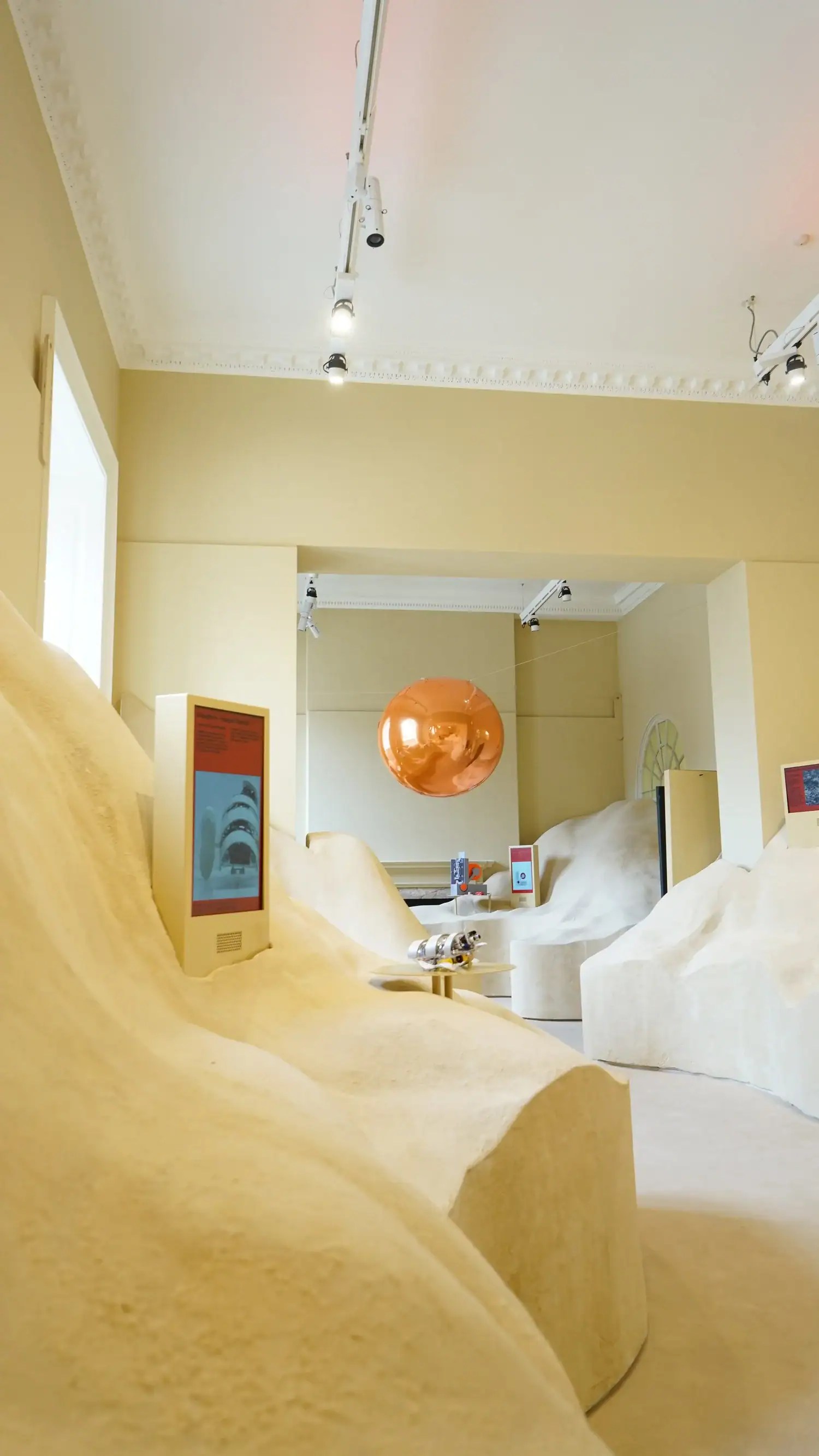
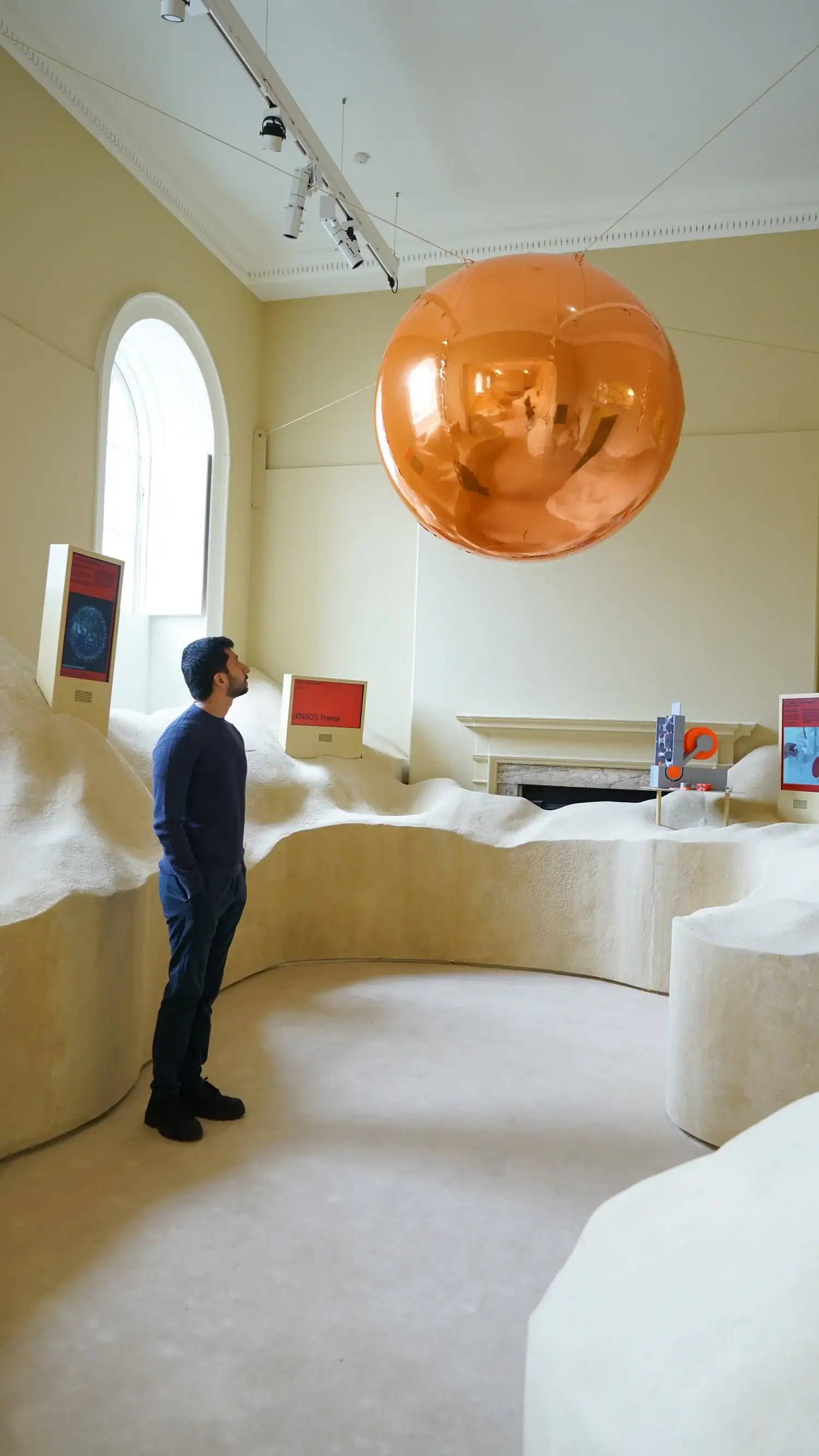
A spirit of partnership fuels much of Dubai’s recent momentum. Abdalla Almulla’s installation And Beyond at the London Design Biennale presented the emirate’s design story to a global audience and sparked fresh dialogue with curators and peers. Such exchanges have also highlighted UAE innovation, from turning palm fronds and date seeds into eco-friendly materials to adapting traditional crafts for modern design.
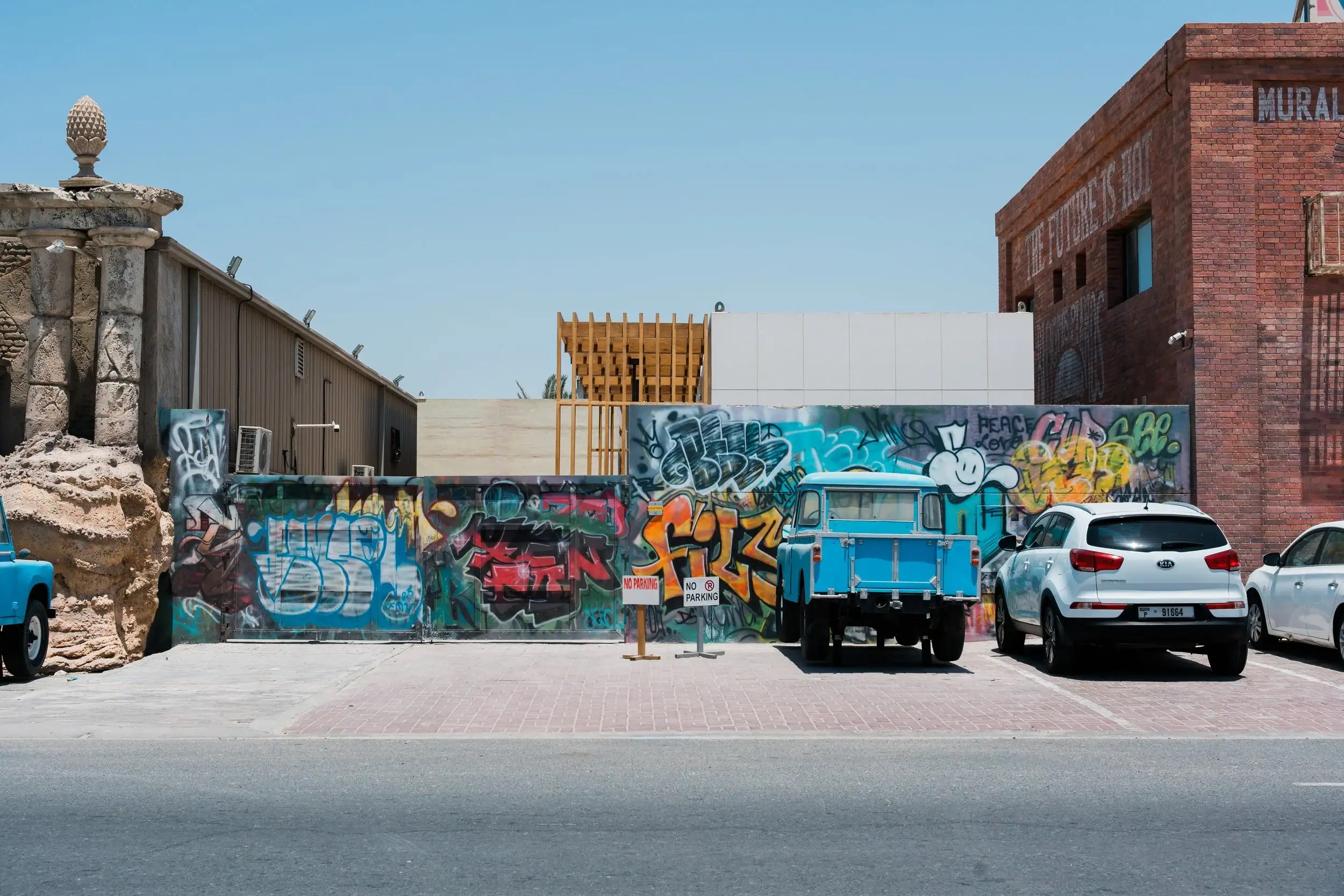
Dubai nurtures its creative communities by pairing grassroots energy with targeted support. Alserkal Avenue shows how that approach works in practice. What began as a handful of warehouse studios in Al Quoz has grown into a recognised cultural district, supported by the Al Quoz Creative Zone framework. Through the Zone, Dubai Culture works with partners to simplify licensing and keep workspace costs manageable, conditions that give artists and entrepreneurs the freedom to experiment and build sustainable practices.
Beyond Al Quoz, other initiatives broaden the ecosystem. The Dubai Public Art Strategy commissions site-specific works across the city, placing local voices in everyday spaces. The Emirates Airline Festival of Literature anchors the literary calendar, bringing international authors into dialogue with regional writers and readers. Together, these measures turn isolated creative efforts into a connected landscape where talent can grow and gain recognition well beyond the UAE.
City policy underpins this physical infrastructure. The Creative Economy Strategy has eased licensing and freelance visa rules, removing hurdles that often slow young practitioners. To encourage long-term commitment, Dubai Culture also issues a ten-year cultural visa, giving qualified professionals the security to stay, invest, and plan ahead.
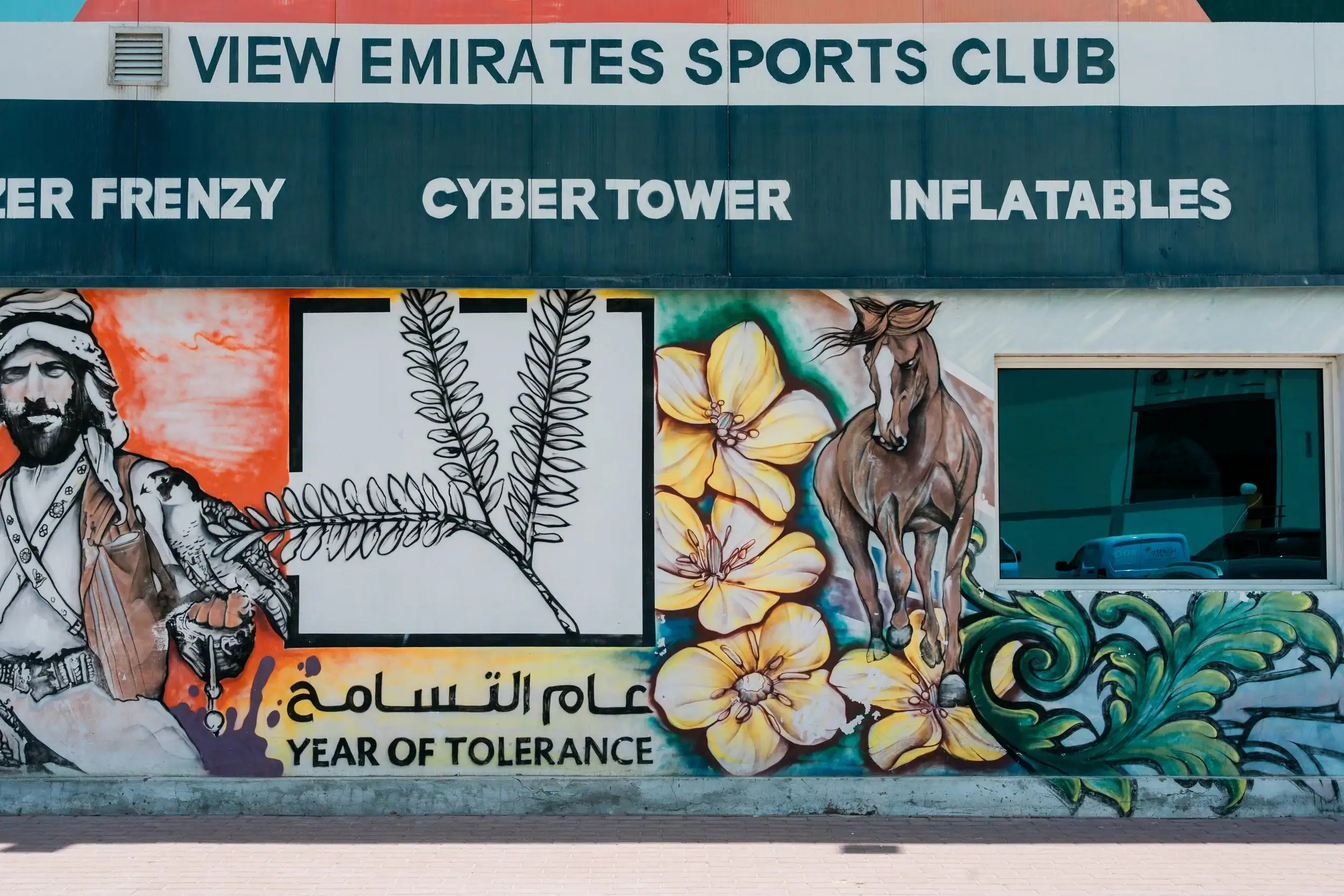
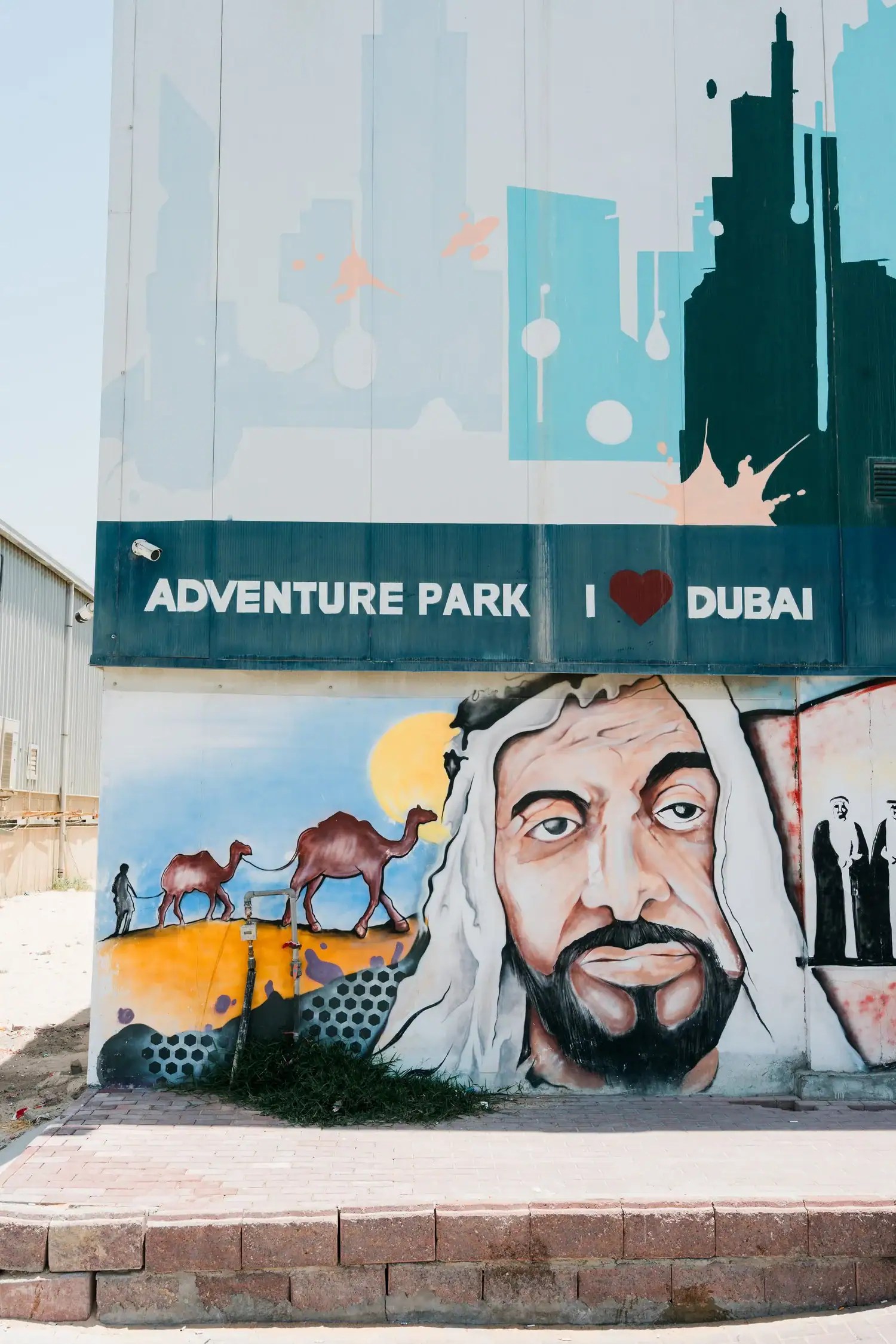
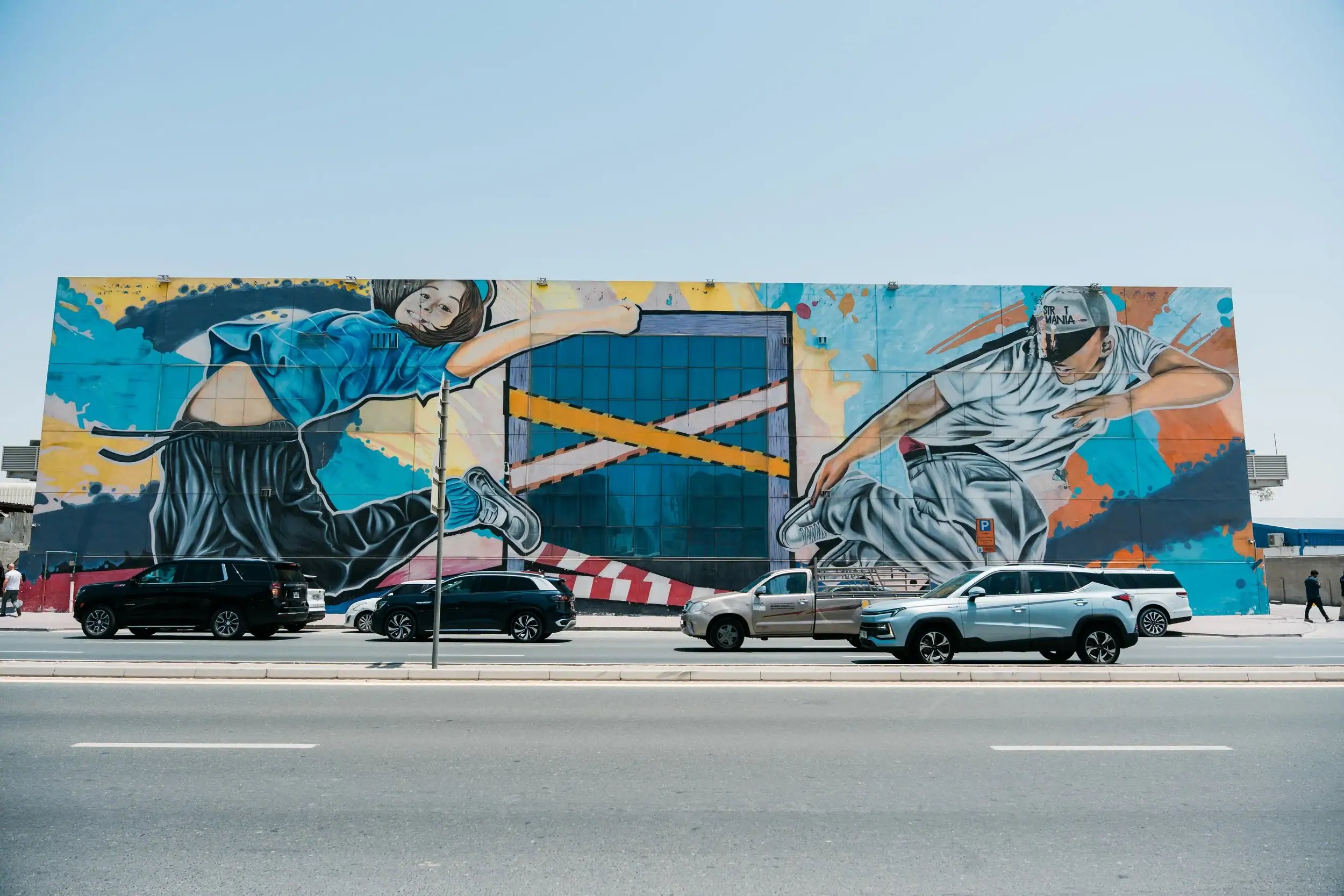
Public art shapes how people understand a city. In Dubai, it anchors everyday spaces in shared stories and encourages residents and visitors to look again at familiar settings. The Dubai Public Art Strategy sets that goal: to turn the emirate into an open-air gallery where new work respects heritage while engaging today’s audiences.
Recent commissions demonstrate how the strategy works in practice. Resonance, installed in Al Shindagha’s historic windtower quarter, suspends mirrored panels that catch the light and sounds of Dubai Creek, asking viewers to reflect on the district’s maritime past and its current rhythm. In Al Hudaiba Park, the sculpture Union of Artists forms a ring of seven pillars beside Etihad Museum. Out in Hatta, Shaikha Al Mazrou’s large-scale work Deliberate Pauses places polished steel forms along mountain trails, framing the landscape and inviting visitors to slow down in a fast-changing region.
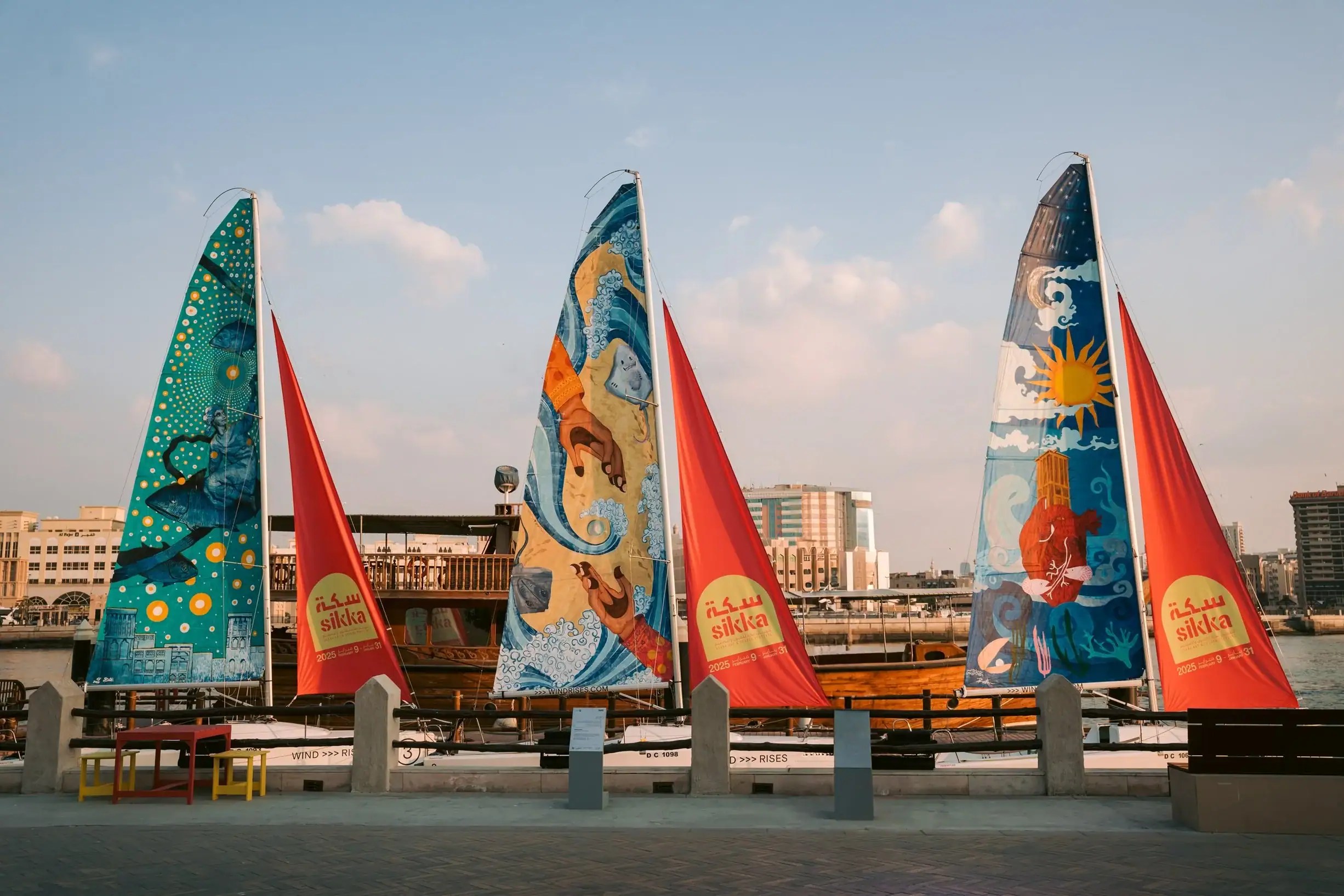
These pieces give established and emerging voices scope to test ideas outside traditional gallery walls, while programmes connected to Sikka Art & Design Festival bring similar energy into heritage districts each spring. Together, they weave public art into daily life, honouring local narratives and giving Dubai a living canvas that evolves with its people.


Dubai Culture’s approach begins with talent, giving artists and designers freedom to draw on Emirati heritage while experimenting with new techniques.
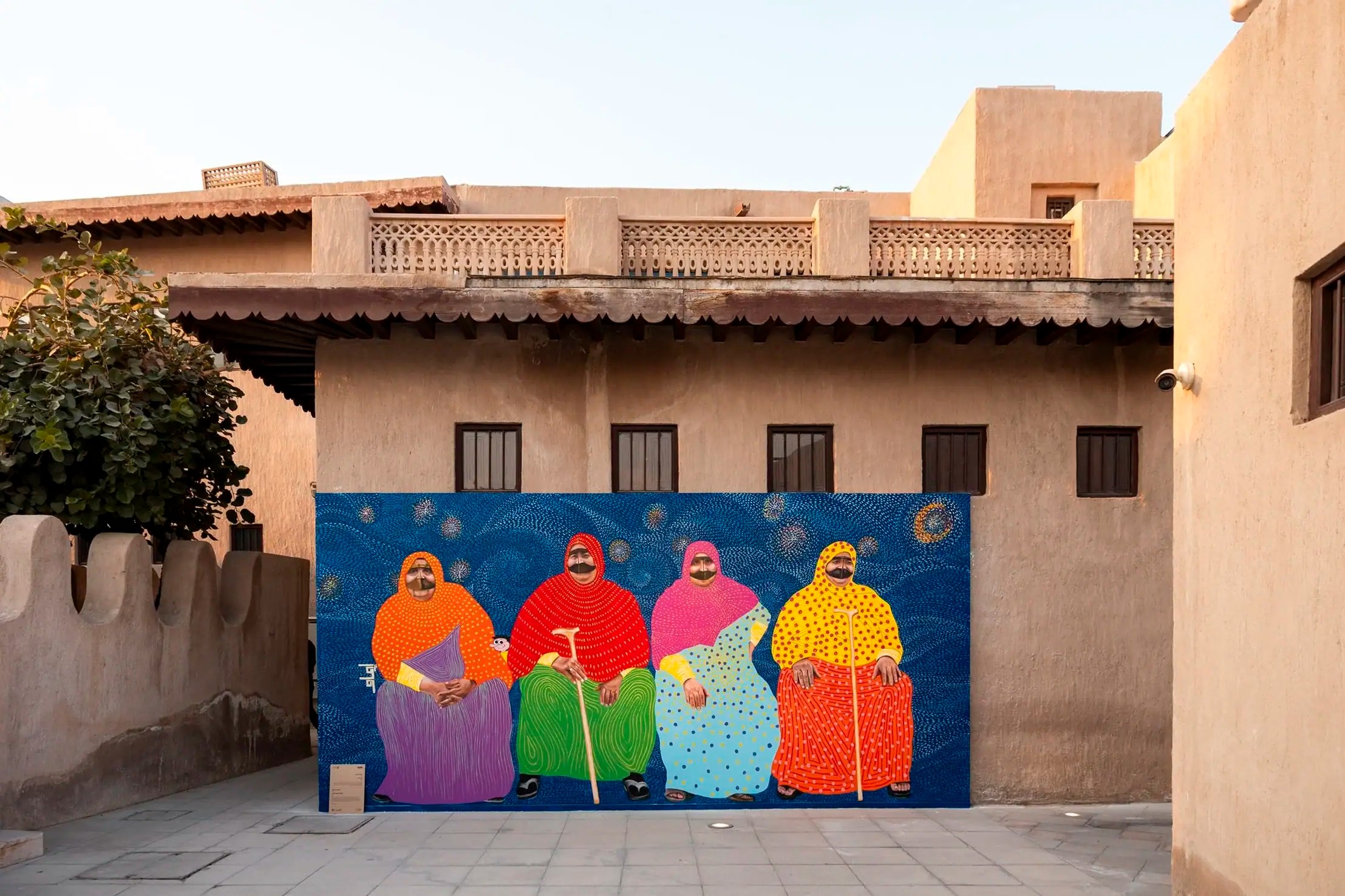
At the Sikka Art & Design Festival, heritage houses in Al Shindagha become open studios where young practitioners rework traditional forms into installations that utilise light, sound, and digital fabrication. Curators pair these contemporary pieces with interactive walkthroughs and demonstrations, so visitors can see the lineage behind each experiment and the possibilities it opens for future work.
That same philosophy carries into larger commissions. The Dubai Public Art Strategy supports projects such as Deliberate Pauses in Hatta and Resonance in Al Shindagha — works that frame historic landscapes while using modern engineering and sustainable alloys. Programmes under the AED 180 million Cultural Grant give creatives a route to scale those ideas, funding research into turning palm trunks and date seeds into bioplastic panels and compressed fibre furniture, as shown at Expo 2025 Osaka’s ‘Pillars of Arish’ symposium.
Taken together — heritage site festivals, public art, targeted grants, and long-term mentorship — Dubai Culture creates an ecosystem where Emirati traditions are not mere museum pieces, but active ingredients in forward-looking design.


The Cultural Grant Programme, launched in November 2024 under the leadership of Her Highness Sheikha Latifa bint Mohammed, sets aside AED 180 million to give Dubai’s creative community the resources and professional guidance needed to turn promising ideas into fully realised work. Financial backing is only one part of the support. Grantees receive mentoring, international exposure, and access to networks that help them move from concept to practice and reach new audiences.
The results are already visible. Emirati architects and designers brought fresh thinking on heritage materials to Expo 2025 Osaka through the ‘Pillars of Arish’ symposium. Young musicians from the National Youth Orchestra – Dubai travelled to New York and performed at Carnegie Hall, marking the first appearance by a UAE orchestra on that stage. Paris saw a showcase of Dubai-based talent at Maison & Objet’s UAE Design Oasis, where pieces rooted in regional craft engaged a global audience of buyers and curators.
Travellers in search of meaningful cultural encounters often begin in Dubai Creek, in the Al Fahidi Historical Neighbourhood, where wind-tower houses and coral-stone alleyways preserve the atmosphere of nineteenth-century Dubai. Inside shaded courtyards, Arabian Tea House serves machboos, luqaimat, and other Emirati dishes that carry the flavour of living heritage.
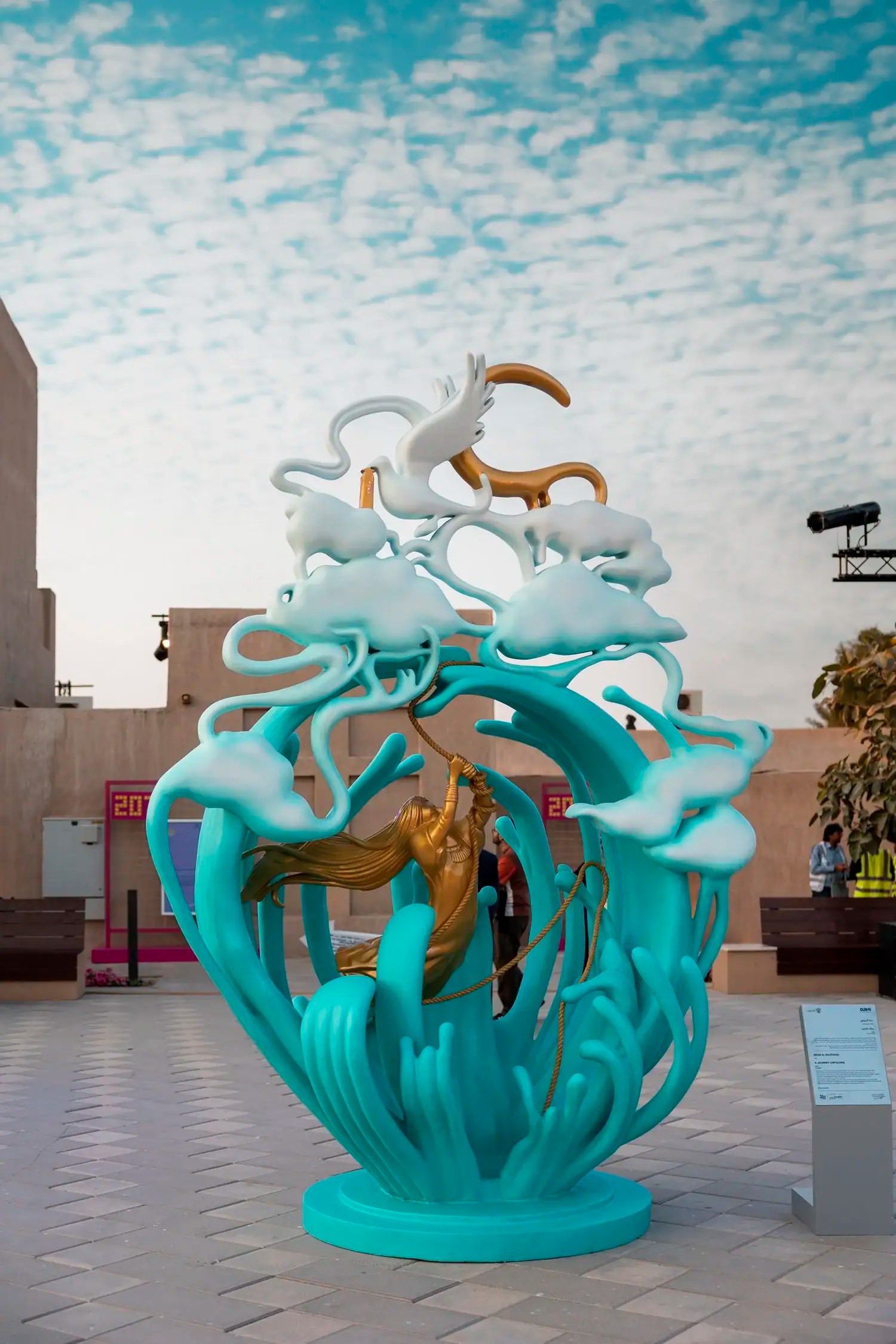
A short drive along Jumeirah Beach Road brings visitors to Jumeirah Mosque, where guided tours invite open dialogue on Islamic traditions and Emirati customs beneath the graceful Fatimid-inspired architecture, completed in 1979. Modern creativity greets passersby in City Walk, where Mattar bin Lahej’s sculpture Aya rises in celebration of the Arabic language as part of the Dubai Public Art initiative.
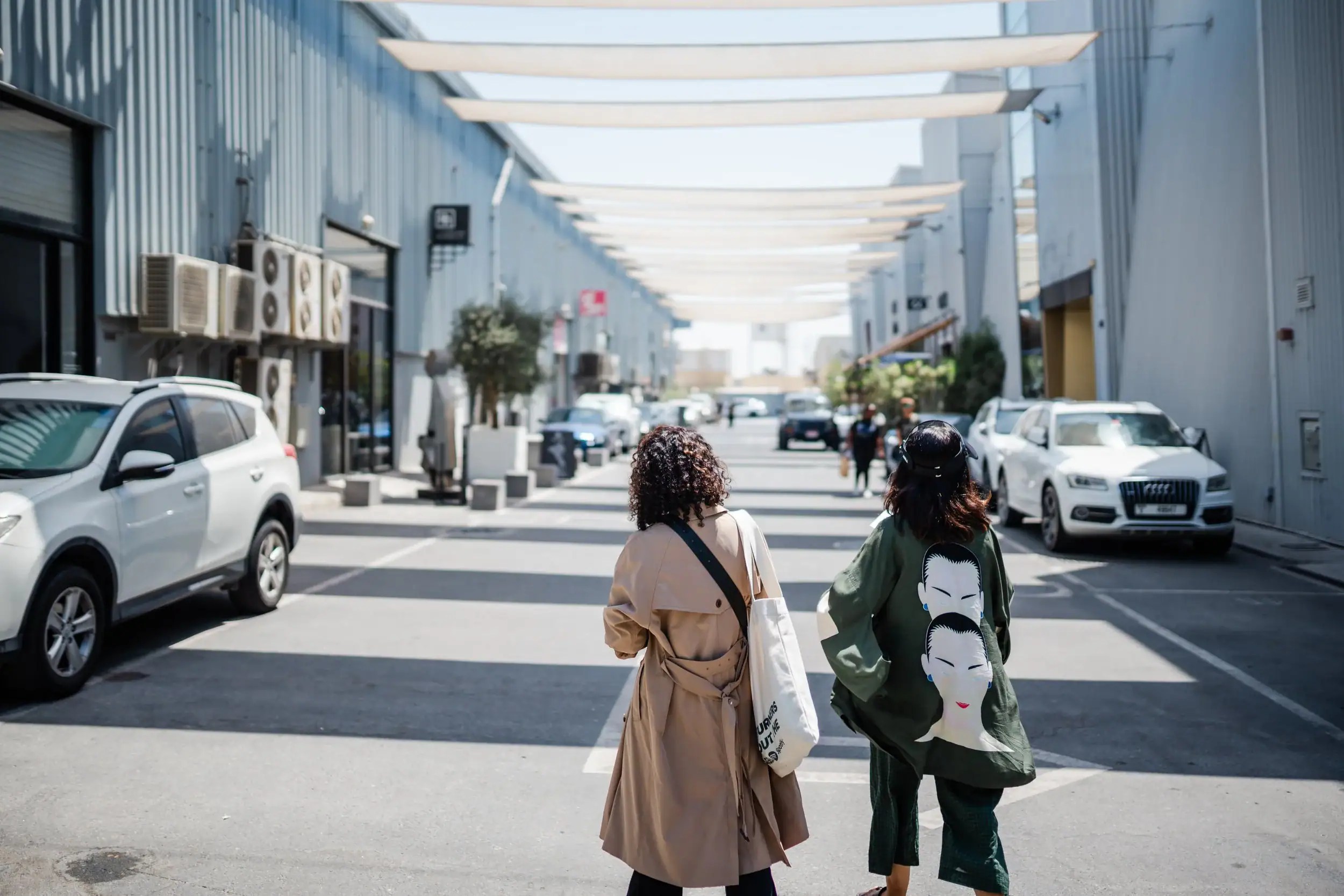
Alserkal Avenue in the Al Quoz Creative Zone, a row of repurposed warehouses, has grown into one of Dubai’s leading contemporary arts destinations, where a gallery session and an independent screening at Cinema Akil sit side by side. Dubai Design District, meanwhile, offers a forward-looking view of the city’s creative pulse, its fashion ateliers and design studios animating pedestrian streets.

Dubai’s selection to host the ICOM General Conference in 2025 confirms the emirate’s growing stature in the sector. Bringing the meeting to the MEASA region for the first time signals Dubai’s readiness to join and help steer the wider conversation on heritage and innovation. Under the overarching theme, ‘The Future of Museums in Rapidly Changing Communities,’ the conference will bring together an estimated 4,500 museum specialists and cultural leaders for a programme of panels, workshops, and excursions across all seven emirates.
The conference also gives Dubai an opportunity to present the work underway in its own museums and heritage districts, from Al Shindagha to Etihad Museum, showing how local stories are preserved while new ideas and technologies are introduced to engage audiences. Hosting ICOM’s flagship event marks an important step for the UAE’s cultural sector, and the partnerships forged in 2025 will influence how museums everywhere evolve to remain relevant in a changing world.


Dubai’s creative scene owes much of its energy to the mix of cultures that fill the city. When so many nationalities share a home, you end up with artists and designers who draw inspiration from a wide range of influences and who are always ready to learn from one another. Instead of erasing what makes the city unique, this diversity brings out new dimensions in its design and art.
You can see this kind of exchange at Art Dubai, which, for almost twenty years, has drawn together artists, galleries, and curators from over 40 countries, transforming the city into a meeting point for new perspectives. These types of events provide creatives with the platform to explore personal and universal questions, such as who we are, where we come from, and how we relate to the world around us.
Sikka Art & Design Festival brings that same spirit into the heart of Al Shindagha. During the festival, the neighbourhood’s historic homes and courtyards become open studios and exhibition spaces, with emerging artists from the UAE and the wider region showing their work alongside international guests.
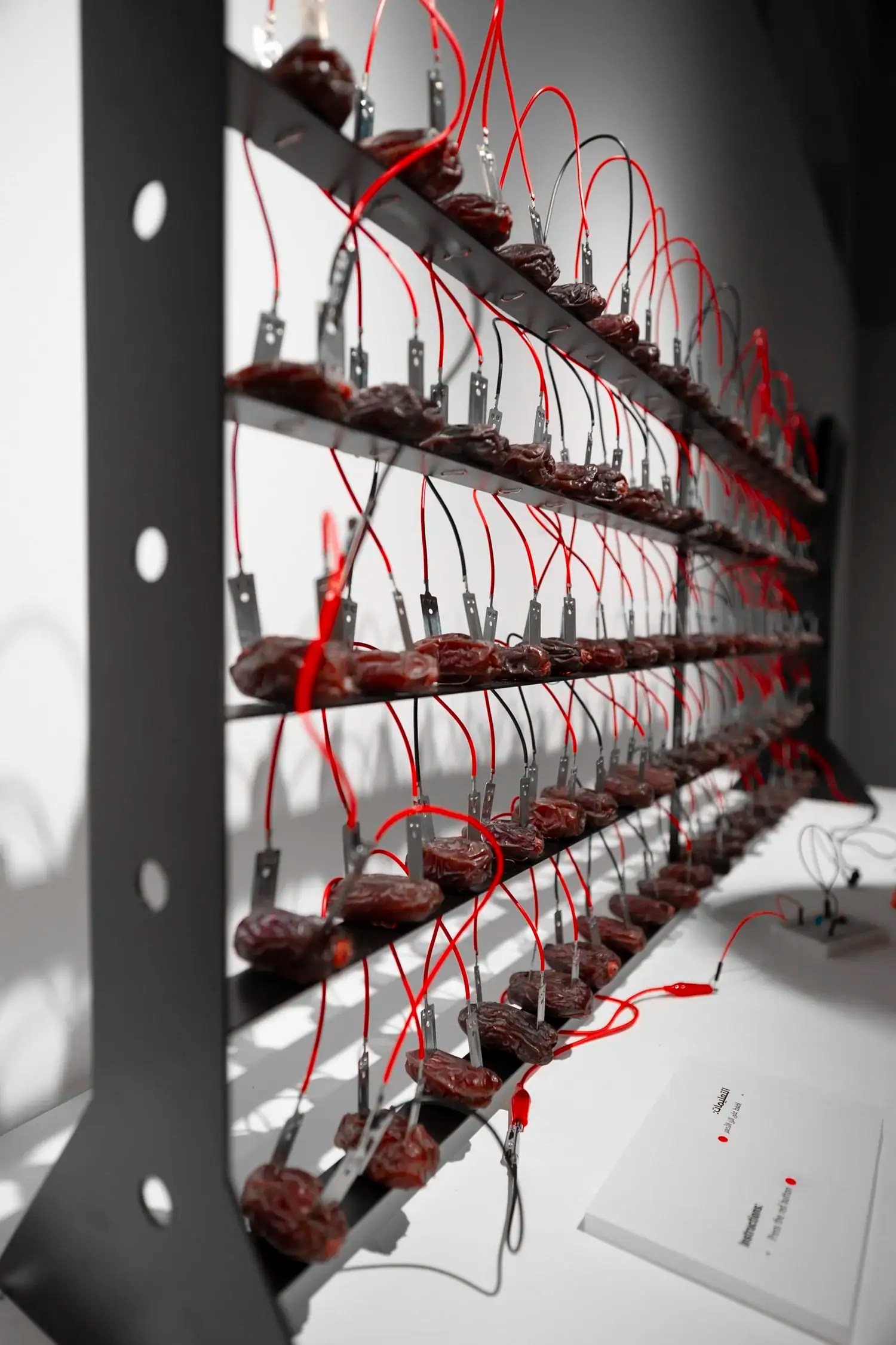
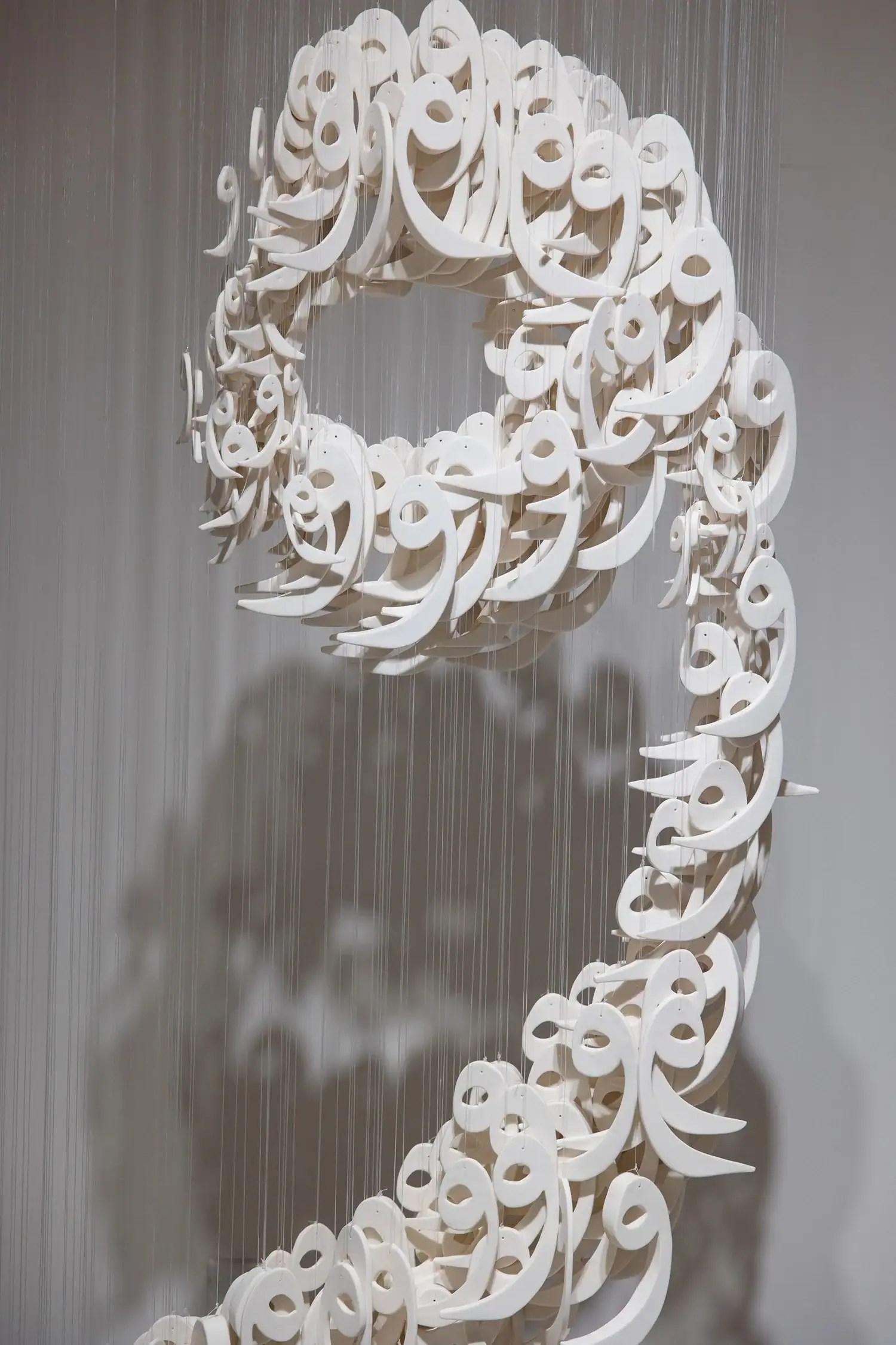
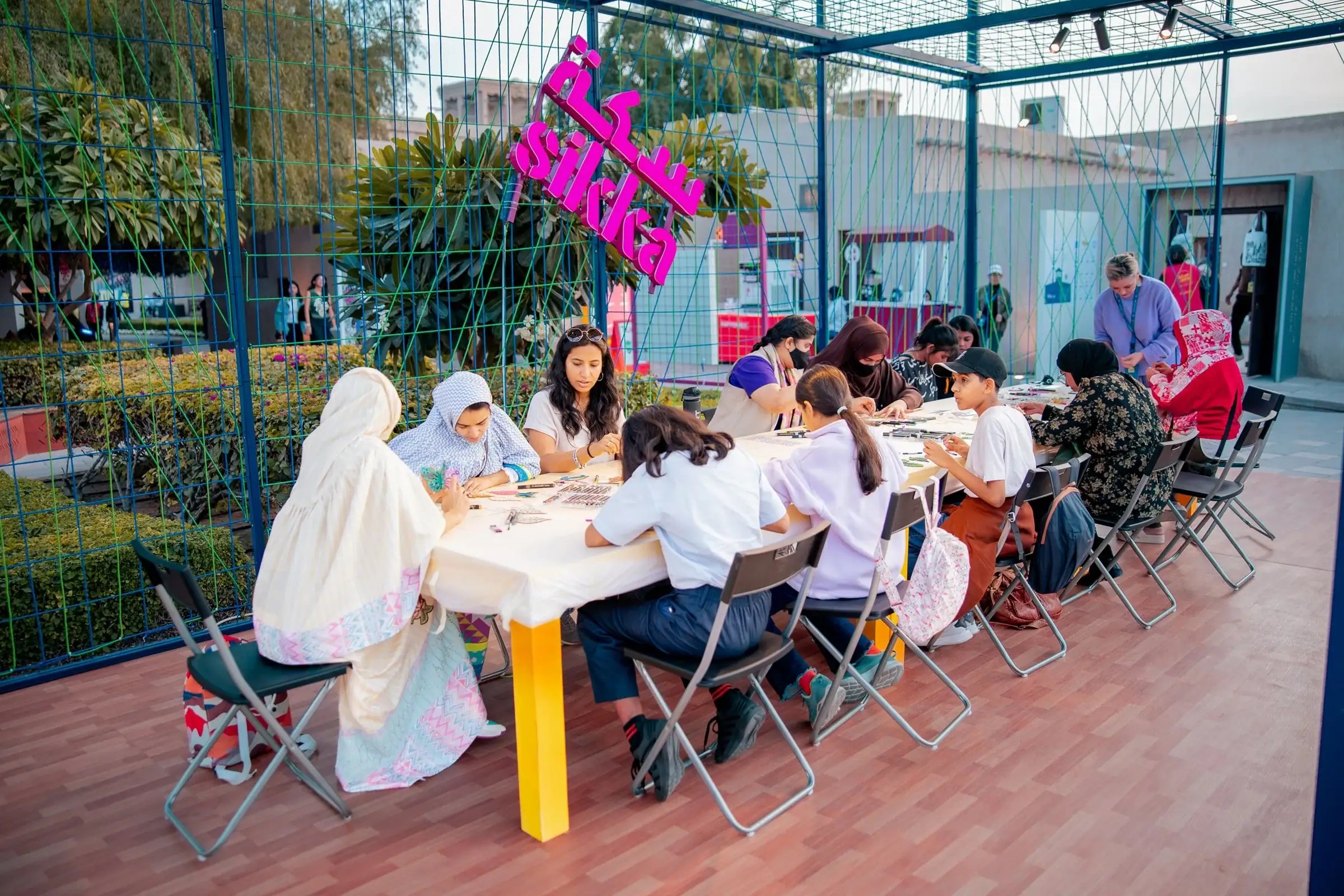
Partnership forms the foundation of Dubai Culture’s approach, rooted in the belief that cultural diplomacy drives talent development and shared progress. Active exchange with the world’s leading design hubs allows Dubai’s creatives to develop their practice internationally, while also welcoming fresh perspectives into the city’s museums, studios, and heritage districts.
Dubai’s ongoing participation in UNESCO’s Creative Cities Network links the city to over 350 global partners. At the 2024 Annual Conference in Braga, Dubai Culture showcased initiatives such as the School of Life and the Youth Design Collective, fostering direct knowledge sharing with peers from São Paulo to Seoul. Dubai hosted the World Cities Culture Summit the same year, convening cultural leaders from 36 capitals.
Most recently, Dubai Culture presented its ‘Pillars of Arish’ architecture symposium at Expo 2025 Osaka, sharing the UAE’s palm frond construction techniques in dialogue with Japanese architects and material scientists. Such partnerships demonstrate how Dubai’s local heritage can spark international conversations, turning collaboration into a driver for innovative solutions worldwide.
Stay curious and let your personal story guide you. Some of the most inspiring contributions in Dubai come from creators who remain true to their experience while being open to learning from others. Dubai recognises and rewards that kind of ambition. Grab every opportunity available through places like the Al Quoz Creative Zone, Sikka Art & Design Festival, and our public art platforms.
When you are part of these communities, take time to get to know those around you. Working alongside people with different approaches or backgrounds can take your ideas in unexpected directions. Those moments of collaboration bring real value, not just to your own work, but to the creative life of Dubai as a whole.
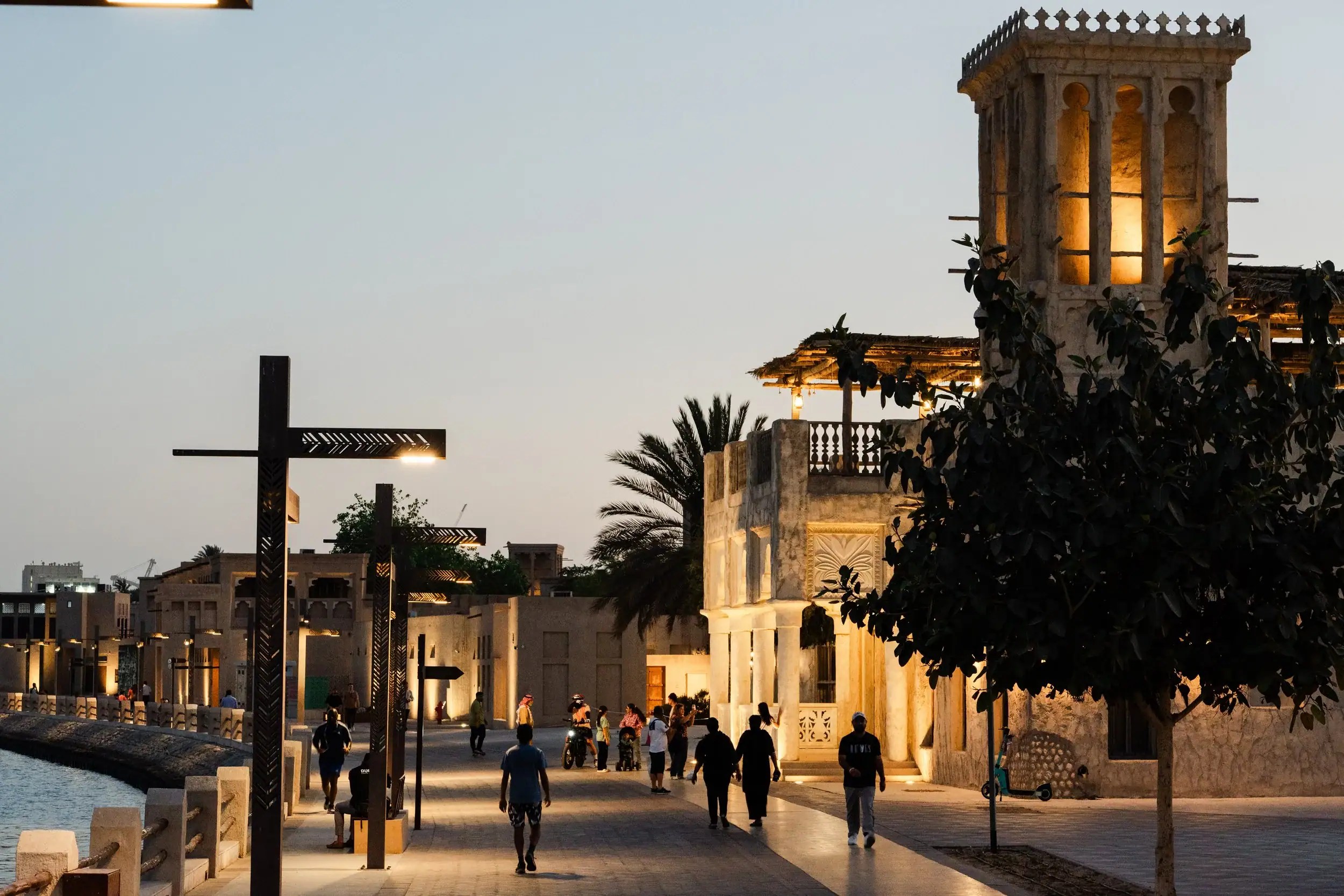
Begin your walk along Dubai Creek in the Al Shindagha Historic District, where restored coral-stone houses overlook the water, and the Al Shindagha Museum, the UAE’s largest heritage museum, traces Dubai’s beginnings through trade, pearl diving, and family life. Regular festivals and workshops fill the district with activity, making it feel very alive.
Cross the creek by abra to Al Fahidi Historical Neighbourhood, a cluster of wind-towered alleyways beside the Ruler’s Court. Art studios and small galleries occupy many of the old houses, while Al Fahidi Fort anchors the quarter. Completed in 1787 on what was then the city’s shoreline, the fort served as a residence, defensive stronghold, armoury, and even a prison.
Finish at Etihad Museum, built on the very site where the union of the UAE in 1971 was signed. Original documents, personal testimonies, and archival film explain how the seven emirates agreed on union and outlined a cultural vision that still shapes the country today.


We have watched local talent flourish alongside us. The strongest advocates for the UAE’s artistic landscape are the creatives who thrive within its ecosystem, and our commitment is to give them long-term support and opportunities for international exposure.
For example, Aisha Al Abbar participated in Sikka Art Fair 2016, and has become a leading figure in Dubai’s art community, founding the Aisha Alabbar Gallery, one of the first Emirati-led galleries in the city. Similarly, Talal Al Najjar went on to exhibit at Jameel Arts Centre and Art Dubai. Sara Al Khayyal, also a Sikka alumna, draws on traditional crafts to produce contemporary works that resonate globally, including collaborations with brands like Bulgari, while designer Shatha Essa’s childrenswear line, backed by Dubai Culture, broke new ground as the first Emirati brand of its kind featured at Harrods in London.
Together, these stories show how mentorship, targeted support, and carefully chosen platforms allow artists to keep their roots in the Emirates while speaking confidently to audiences worldwide.


Dubai Culture’s work is centred in Dubai, but the benefits extend across the UAE’s creative community. At Al Quoz Creative Zone, the licensing framework and subsidised studios welcome practitioners from all seven emirates. The annual Al Quoz Creative Entrepreneurship Competition illustrates this reach, drawing nearly two hundred start-ups from around the country. Seed funding and mentorship let these entrepreneurs refine their ideas in Dubai while continuing to serve their own communities.
This commitment to inclusivity shapes the Sikka Art and Design Festival as well. Each open call invites participants from every corner of the UAE and the GCC. Throughout the year, mobile workshops, virtual residencies, and school partnerships carry training into libraries, cultural centres, and classrooms nationwide, strengthening a shared artistic landscape that reflects the full diversity of the UAE.
We aim to leave a legacy that makes heritage an everyday source of inspiration and learning. In the years ahead, Dubai Culture’s focus will remain committed to advancing education and nurturing talent. By supporting the creative economy, we enable our cultural landscape to grow and stay connected with communities both locally and globally.
Programmes in schools, libraries, and specialised centres will combine traditional skills, such as Al Khoos weaving or gypsum carving, with digital tools and sustainable methods, giving young makers the vocabulary of both past and present. Al Quoz Creative Zone shows how this translates into enterprise: streamlined licensing, long-term cultural visas, and access to advanced fabrication let artisans and start-ups produce, exhibit, and trade in one place.
Global platforms — including Expo 2025 Osaka, the London Design Biennale, and the UNESCO Creative Cities Network — offer local talent a stage to test ideas abroad and return with fresh insights. We’re working towards a living ecosystem where museums, public artworks, festivals, and maker labs all inspire future generations to see heritage as a resource for invention.
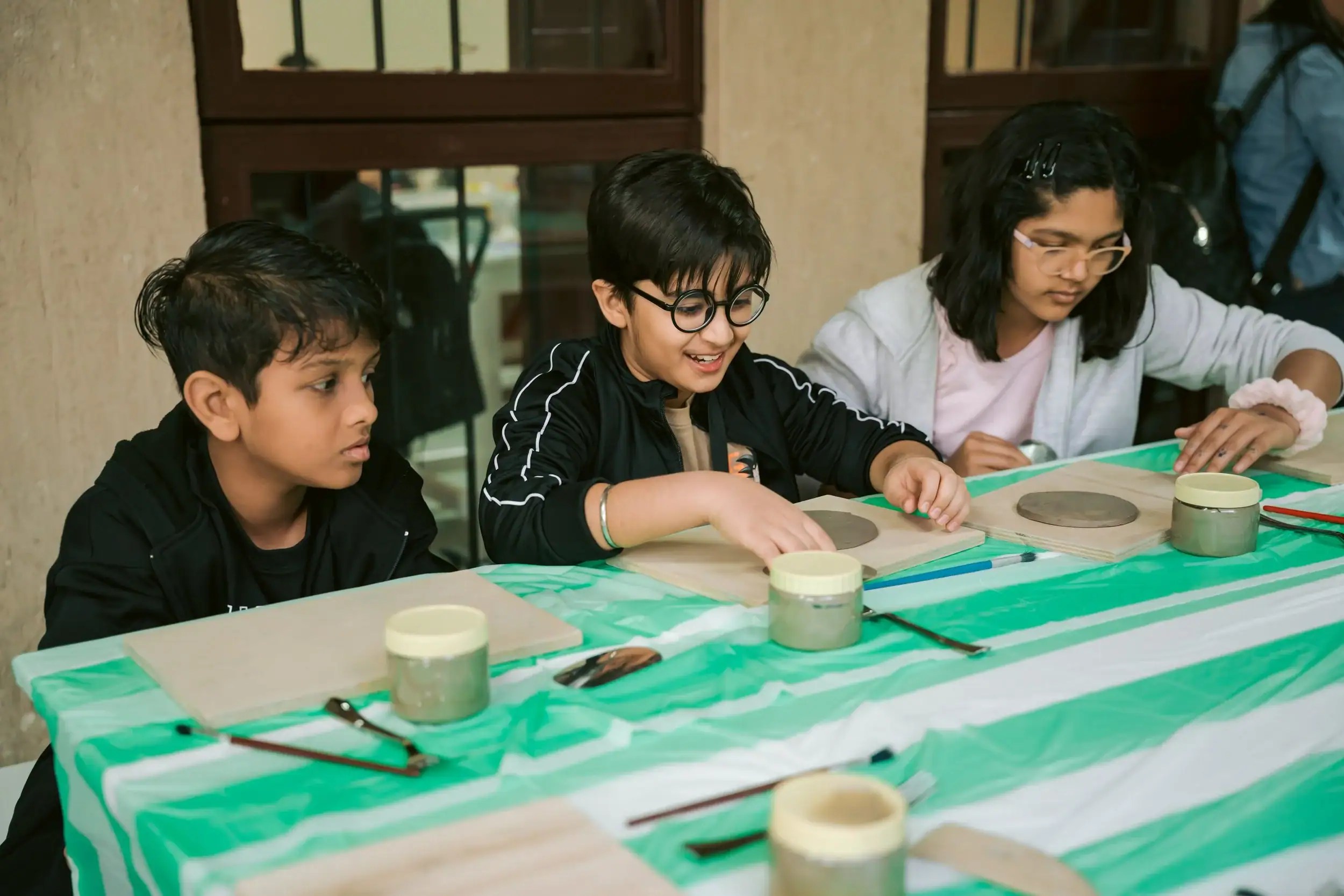
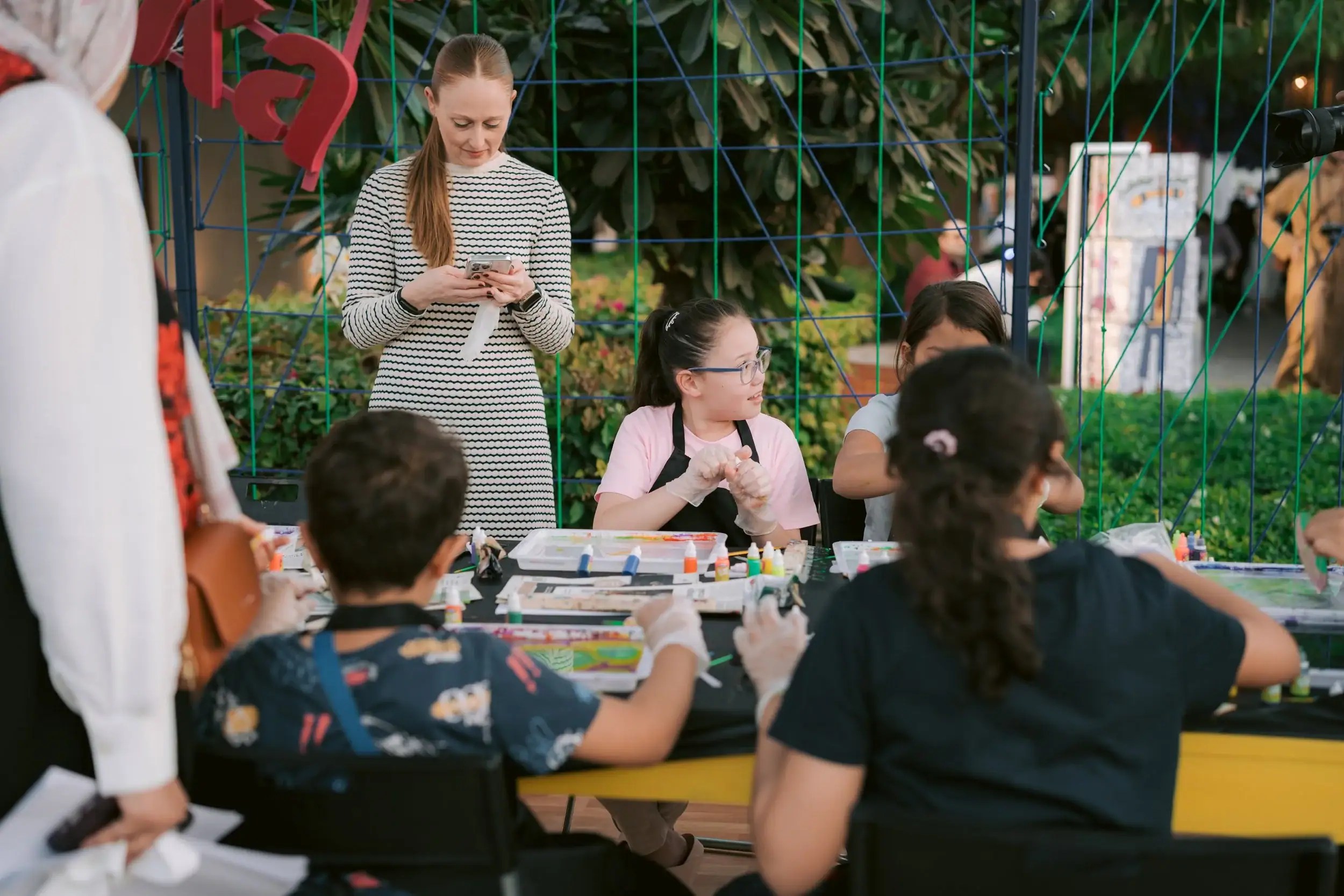
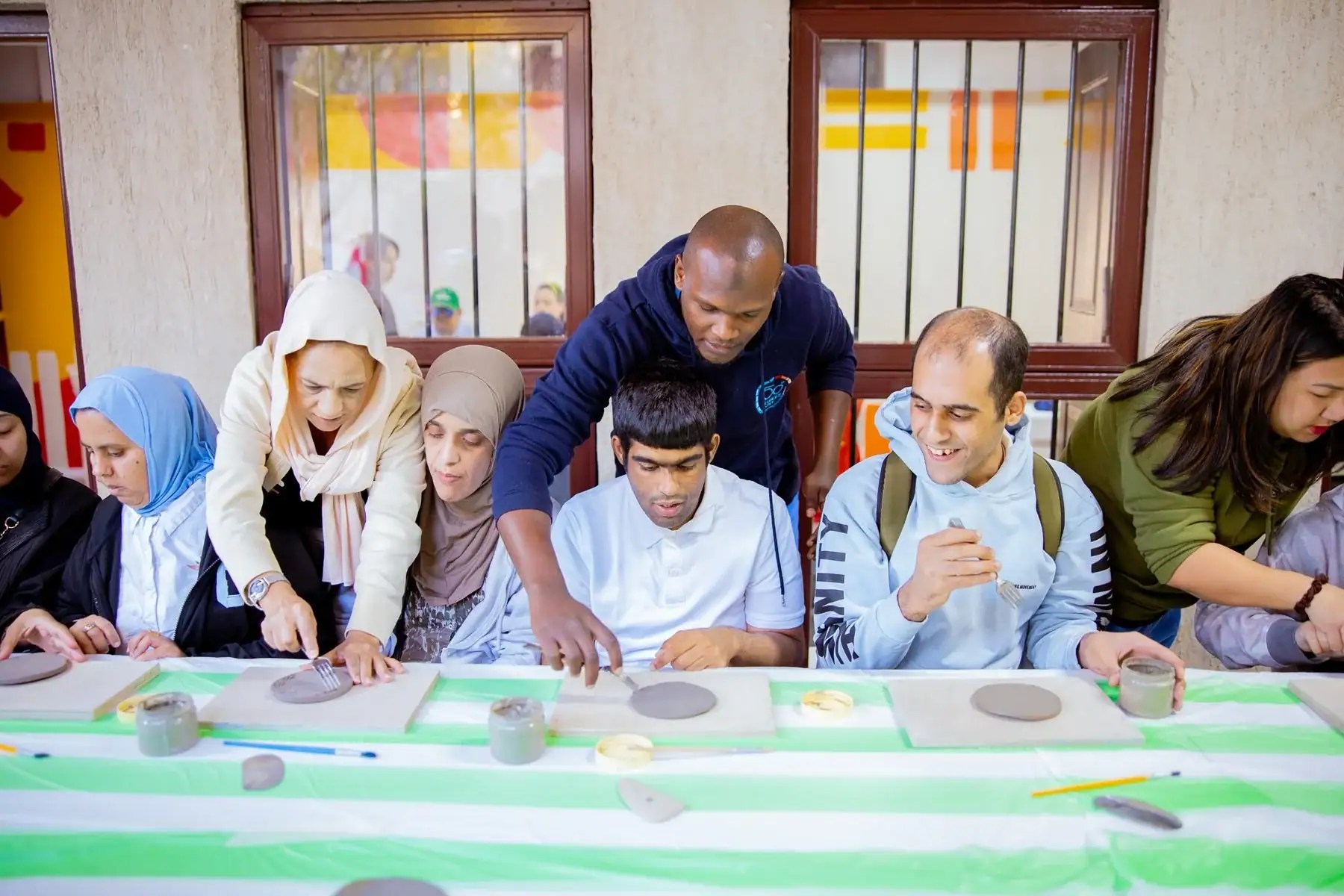
Growth in the UAE’s cultural sector moves quickly, but heritage remains the reference point for much of what we do. Programmes under Dubai Culture place traditional craft at the centre of today’s activity.
Sikka Art & Design Festival is a clear example. Each year, hundreds of creatives fill Al Shindagha’s historic houses with work that pairs traditional handicrafts with sound pieces, light installations, and digital fabrication. Seasonal initiatives carry the approach into other districts. Hatta Cultural Nights transforms the mountain village into a winter showcase of Al Talli embroidery, burqa sewing, and Al Khoos palm weaving, all demonstrated live at the fort.
Training is integrated alongside public programming across the city. At the Turath Centre for Traditional Handicrafts in Al Shindagha, year-round workshops introduce participants to heritage arts such as Al Talli, Al Khoos weaving, silversmithing, and dukhoon-making, while daily demonstrations in Al Fahidi let residents and tourists watch pottery wheels and looms in use.

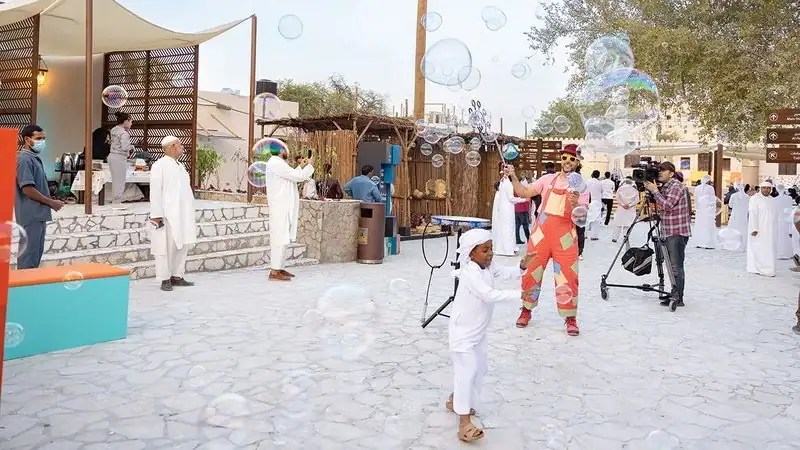
All images courtesy of Dubai Culture and Arts Authority




Leave a Reply